Family Travel
A Family Train Journey with Food, Seats and Breaks Planned
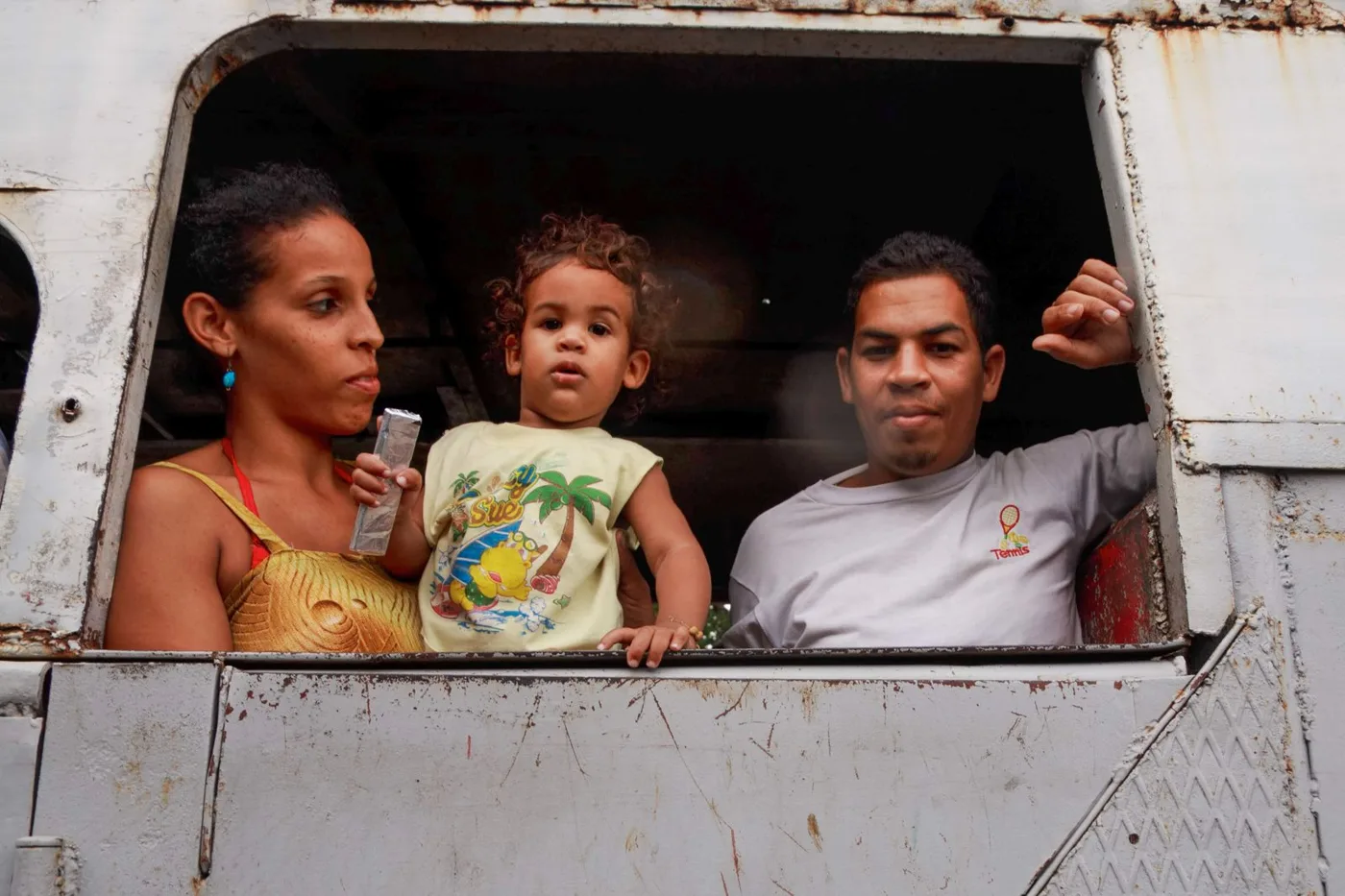
A family train journey can be a pleasant part of a holiday when the practical details are settled before boarding. The important questions are not only the ticket price and travel time. Where will everyone sit, what will they eat, how will you handle luggage, and what happens during a connection?
Check the rules for your actual train
Children's fares, seat requirements, luggage allowances, and reservation arrangements vary by operator and route. Read the provider's current family-travel information rather than applying a rule from another journey. A child who travels without a separate fare may not automatically have a separate seat.
If sitting together matters, check what the booking guarantees and what remains a preference. Look at the carriage plan when one is available. A table can be useful for games and meals, but the arrangement should also suit the children's ages and the adults' supervision needs.
Pack a small onboard kit
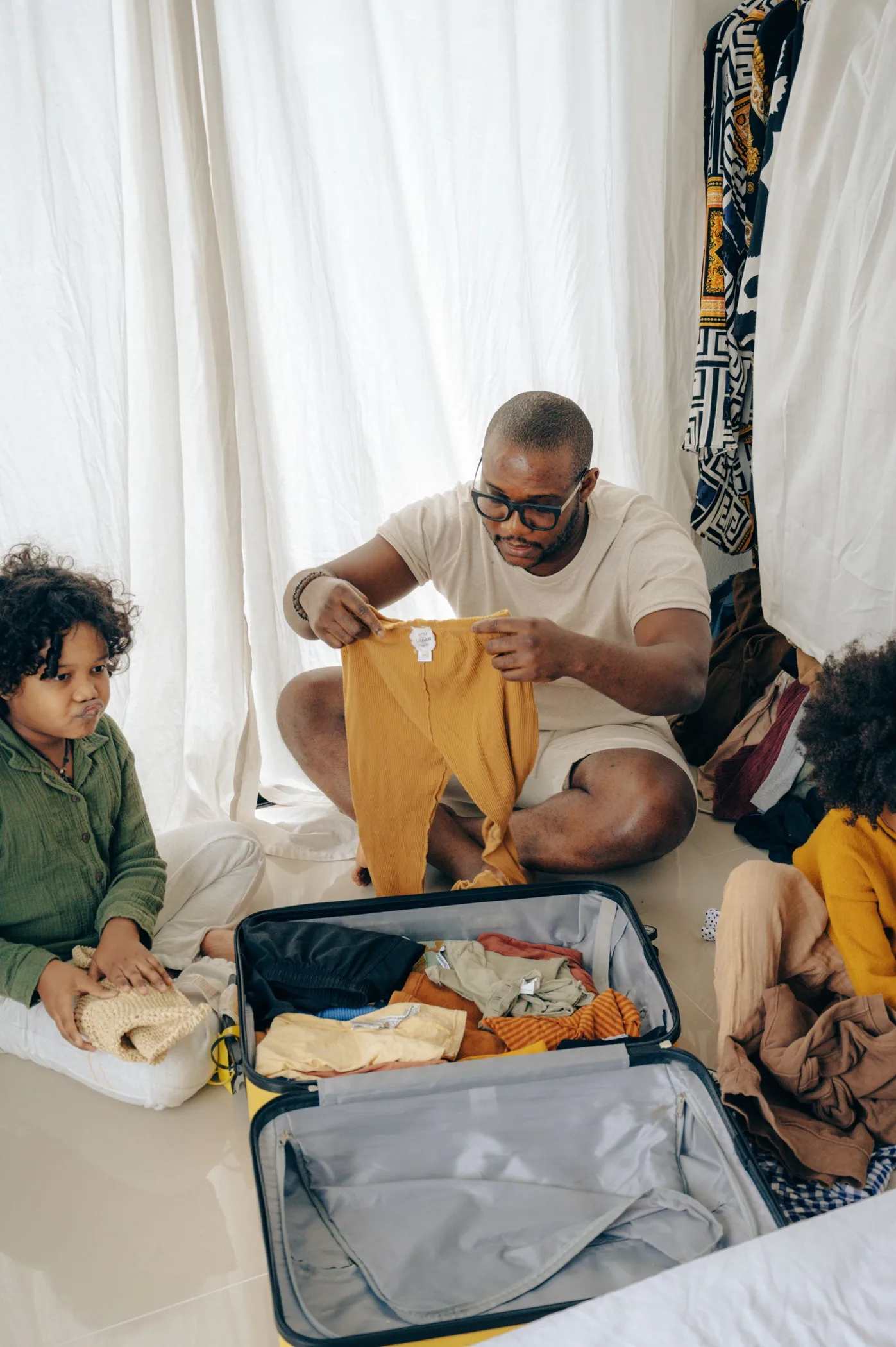
Keep food, drinks, wipes, a change of clothing, and a few activities accessible. Do not bury them behind the bags you will store away. Choose items that are easy to handle in a moving carriage and leave room to keep your area tidy.
Check what food service, if any, operates on the booked journey. Even when food is sold onboard, having a simple backup avoids making the family's meal dependent on availability or a queue. Follow the relevant rules for carrying food across borders where applicable.
Make the connection comfortable
A transfer time should allow for leaving the train, finding the next platform, using facilities, and moving at the children's pace. Do not compare journeys only by the shortest displayed duration. A slightly longer connection can be more useful than a hurried one that leaves no margin.
Look at whether the change involves another station, stairs, or a different terminal area. Keep a clear plan for who supervises which child and who handles the larger bags. A complicated luggage arrangement becomes more difficult when the platform changes.
Think about movement without losing supervision
Children may need a change of position during a long ride, but the train is still a shared moving environment. Plan quiet activities and short supervised breaks that respect other passengers and the operator's rules. Do not rely on the journey itself to entertain everyone for several hours.
For a child who naps, consider what you need to make the seating arrangement workable without assuming a particular seat will be empty. A separate seat or a different departure time may be worth more than a small discount.
Leave the arrival gentle
Avoid a tightly timed attraction immediately after the train. Allow room for delays, finding the accommodation, and a simple meal. Keep the final address and directions available offline.
When comparing rail with other transport, include the complete journey and the family total. A well-planned train trip can reduce airport-style logistics, but it still needs preparation. The saving is strongest when the seats, food, luggage, and final transfer support an enjoyable day rather than requiring expensive fixes along the way.