Seasonal Escapes
A January City Break Built Around Shorter Days
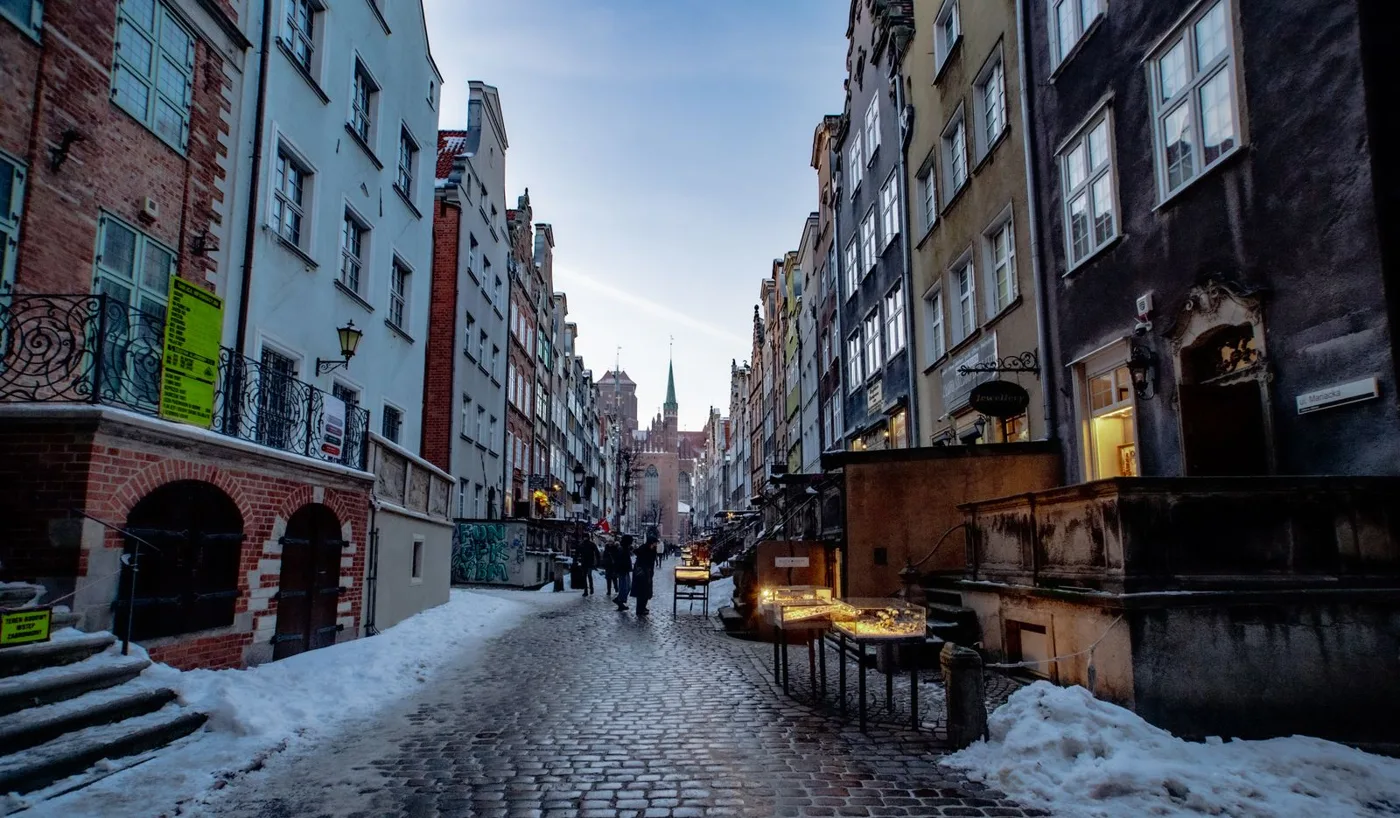
January changes the order of a northern European city break. Outdoor views are better planned around available daylight, while museums, meals and performances can give the later hours their own purpose. A successful winter weekend does not try to imitate a summer schedule. It uses the parts of the city that fit the season and leaves enough time to move comfortably between them.
Give daylight a specific job
Check local sunrise and sunset times for your dates, then choose the outdoor places where light matters most. Put the river walk, viewpoint or architectural district into that window. Do not use all the daylight crossing the city to reach an indoor attraction you could have visited later.
Build the route in short sections with useful stops. A park followed by a nearby café and then a gallery is easier to adapt than a long circuit that only returns to shelter at its end. If pavements or conditions are unsuitable, shorten the walk rather than trying to justify it because it appears on your original plan.
Read the calendar after the festive period
Check the opening days of your chosen attractions for the exact week. A winter timetable, a maintenance closure or a day off after an event can affect a short stay disproportionately. Confirm current information with the attraction itself, especially when one visit is the main reason for traveling.
Treat evening plans as part of the vacation, not leftover hours. A performance, a relaxed dinner or a long museum visit can make a dark afternoon useful. Choose only the reservations you value enough to commit to, and check how you will return to the accommodation afterward.
If the trip falls near New Year's Day, look at that date separately from the rest of January. Do not extrapolate ordinary weekday restaurant and transport arrangements onto a public holiday. A simple first day can be preferable to a sequence of bookings made before confirming what will operate.
Make the accommodation work harder
A comfortable room matters when you expect to return earlier. Look for usable lighting, a place to sit and heating arrangements that meet your needs. A location near a few dinner options can reduce the temptation to take extra taxis simply because you do not want another long outdoor journey.
Include baggage and clothing needs in the cost comparison. You may already own suitable layers, so there is no need to buy a complete travel wardrobe. Footwear appropriate to the expected conditions is more valuable than adding several outfits you will barely use. Keep the packing plan realistic before choosing a restrictive fare.
Do not fill every cold hour with a ticket
An indoor-heavy trip can become expensive if each pause requires paid admission. Balance major visits with time at your accommodation, ordinary cafés and places that welcome visitors without a booking. Respect the purpose and access rules of each space; a public building is not automatically a place to settle for the afternoon.
Allow yourself a slower start or an early finish when needed. The advantage of a January break is not that you must see more because other people stayed home. It is the chance to build a compact trip around a few experiences that still feel worthwhile on a short, cold day.