Travel Savings
Avoiding Duplicate Bookings When Plans Change
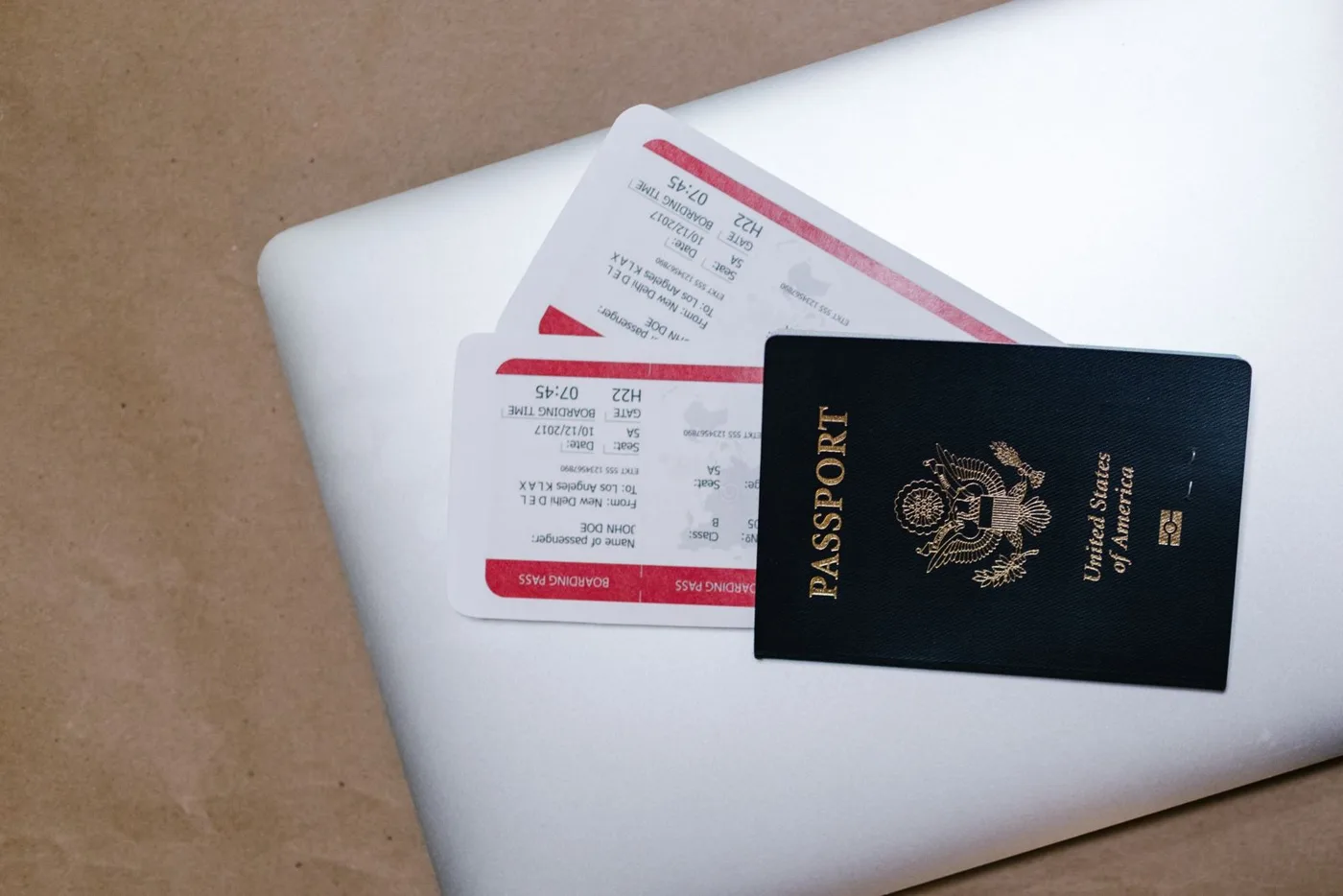
Changing a trip can leave two rooms, two transfers or two versions of the same excursion in your inbox. A new confirmation feels like progress, but it does not cancel the old arrangement. Use a short booking record whenever plans change so that every replacement has an explicit status.
Give each commitment one row
Record the provider, booking reference, dates, amount paid and cancellation deadline for each reservation. Include the time zone used for any deadline if it matters. Keep a link or saved copy of the relevant conditions, because a summary label such as flexible may leave out important details. Mark whether payment has been collected, is due later or is only a deposit.
When comparing alternatives, keep them in a separate shortlist rather than mixing them with confirmed bookings. A room saved to a shopping basket or a quote in an email is not necessarily held. Conversely, a booking made with payment due later may still create a commitment. Check the confirmation rather than judging by whether money has left the account.
Replace deliberately
Before booking an alternative, read the existing reservation's change and cancellation terms. Work out the actual cost of switching, including any nonrefundable amount. Check that the replacement is available for the correct dates and traveler details. If the change affects several parts of the itinerary, list those dependencies before acting.
Once you cancel, retain the provider's cancellation confirmation and any stated refund information. Mark the old booking canceled, not merely obsolete. If confirmation does not arrive or the status is unclear, contact the provider through its official channel. Do not assume deleting an app entry or an email cancels the reservation itself.
Review the chain after a schedule change
A flight change can affect a transfer, the first hotel night and a timed activity. Update each item rather than fixing only the flight. Tell companions which version is current and replace outdated documents in shared folders. Keep historical confirmations separately if they are needed to track a refund or explain the change.
Before departure, read the itinerary as a sequence from leaving home to returning. Every night should have the intended accommodation and every essential transfer should have one current plan. Review pending refunds separately from available spending money until their status is confirmed. This small administrative check can prevent the expensive mistake of paying twice for a plan you only meant to use once.