Hotels & Stays
Bangkok Accommodation Chosen Around Transit and Daily Plans
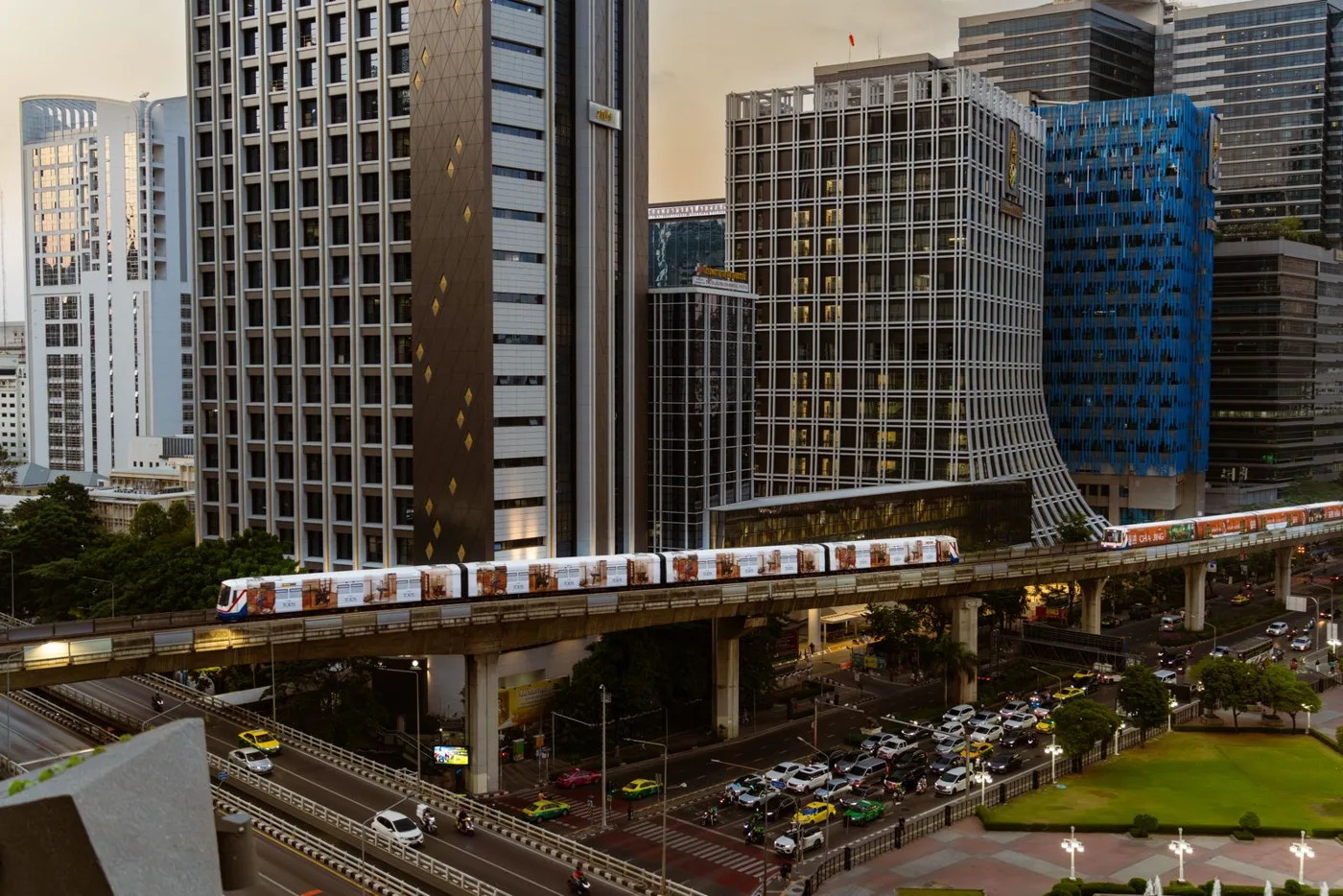
In Bangkok, the claim that a hotel is near transit deserves a closer look. The station, its usable entrance, the street crossing and the walk along the final side street all affect how useful that connection feels. Choose accommodation around a few repeated journeys rather than the ambition to be central to the entire city.
Pick the journeys before the station
List your main daytime plans, the kind of area where you want to eat and the airport you will actually use. Then compare candidate addresses against those journeys. A room that connects well to one rail line is not automatically convenient for every riverside visit or every airport arrival.
Sukhumvit is a broad location label, not a single station. Asok and Phrom Phong provide concrete points to investigate, but the exact property's approach still matters. A hotel several streets from the station can create a different daily routine from one beside a usable entrance, even when both descriptions advertise rail access.
Use the BTS official route and station-area information to understand the relevant connections. For journeys involving other operators, consult those operators as well. Do not assume one ticket or payment method automatically covers every network or that a rail station near the hotel removes the need to plan the first and last stretch.
Walk the final route on the map
Locate the entrance rather than just the station symbol. Check which side of the road it serves, whether the route involves crossings or stairs and how the accommodation describes the approach. If mobility needs are important, verify the complete journey with the operator and property rather than relying on a distance claim.
A hotel shuttle can be useful, but read its actual operation: pickup point, hours, frequency and whether you need to request it. Do not build late-evening plans around a service that only runs at selected times. Decide whether the walk still works when the shuttle is unavailable.
Allow for how you will feel returning from a full day out. A short walk in the morning can be less appealing with bags or during heavy rain. This does not mean every hotel needs direct station access; it means recognizing the final approach as part of the accommodation you are buying.
A good room can reduce the pressure to keep moving
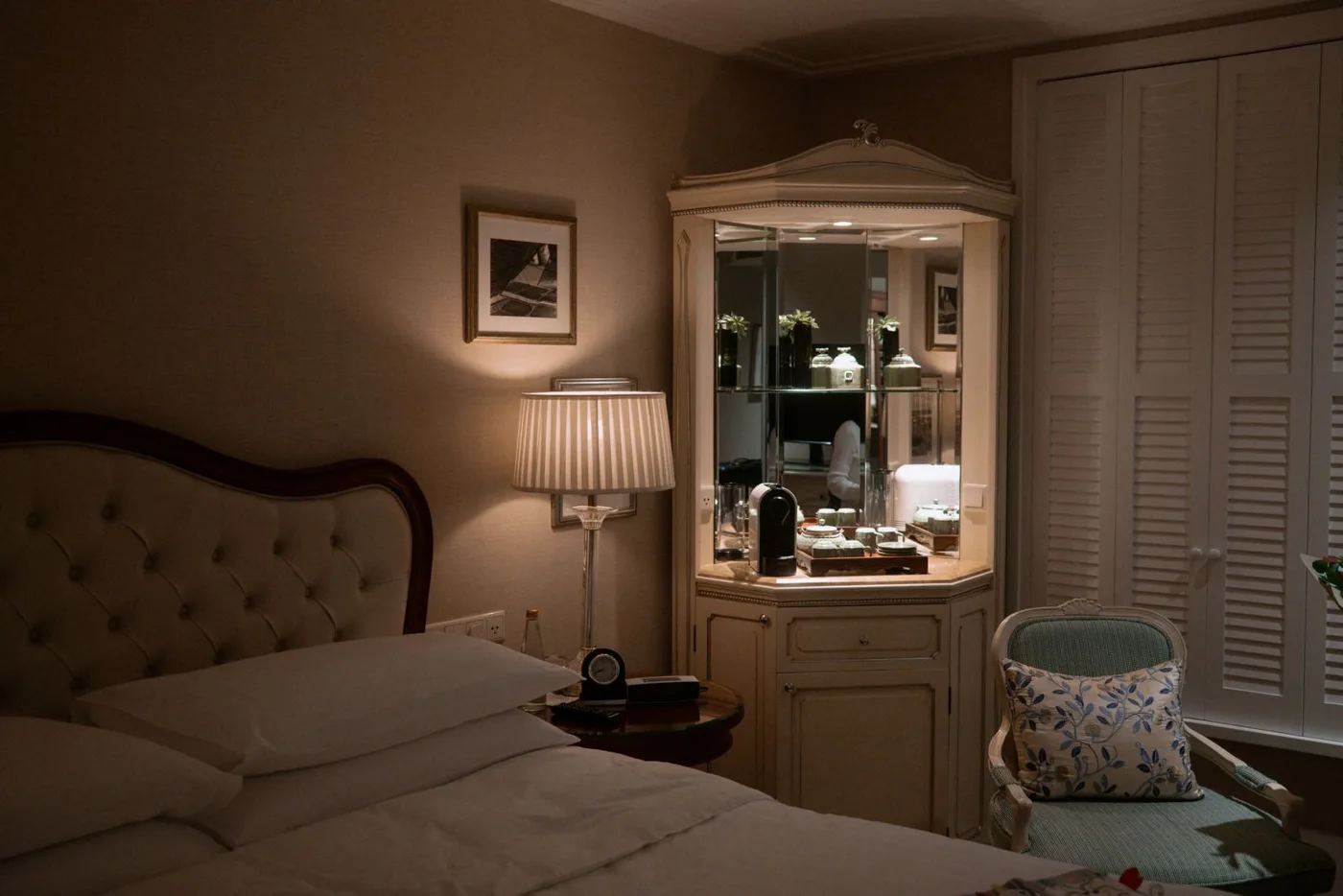
If you want a midday rest, prioritize the connection from the places where you will spend the morning. Check the room's cooling, seating and bed arrangement. A pool may be worthwhile if you will actually use it, but it should not distract from an awkward location or an unsuitable room category.
For a longer stay, a kitchenette or laundry arrangement can be helpful. Confirm what is available and any separate charge rather than assuming a serviced-apartment label includes every convenience. Balance those benefits against the number of extra journeys the location would create.
Give arrival a separate, simple plan
Confirm the airport and terminal, expected arrival time and complete route to the property. Check that the chosen rail or transfer arrangement works at that hour. Keep the hotel's address and contact information accessible, and clarify late check-in before travel.
Choose the address that supports most of your normal movements, then plan the exceptions deliberately. Bangkok will still require choices about transport each day. A well-matched base makes those choices smaller; it does not promise that one station will place the entire city within an effortless walk.