Travel Savings
Cabin Bag or Checked Bag: Build the Packing List First
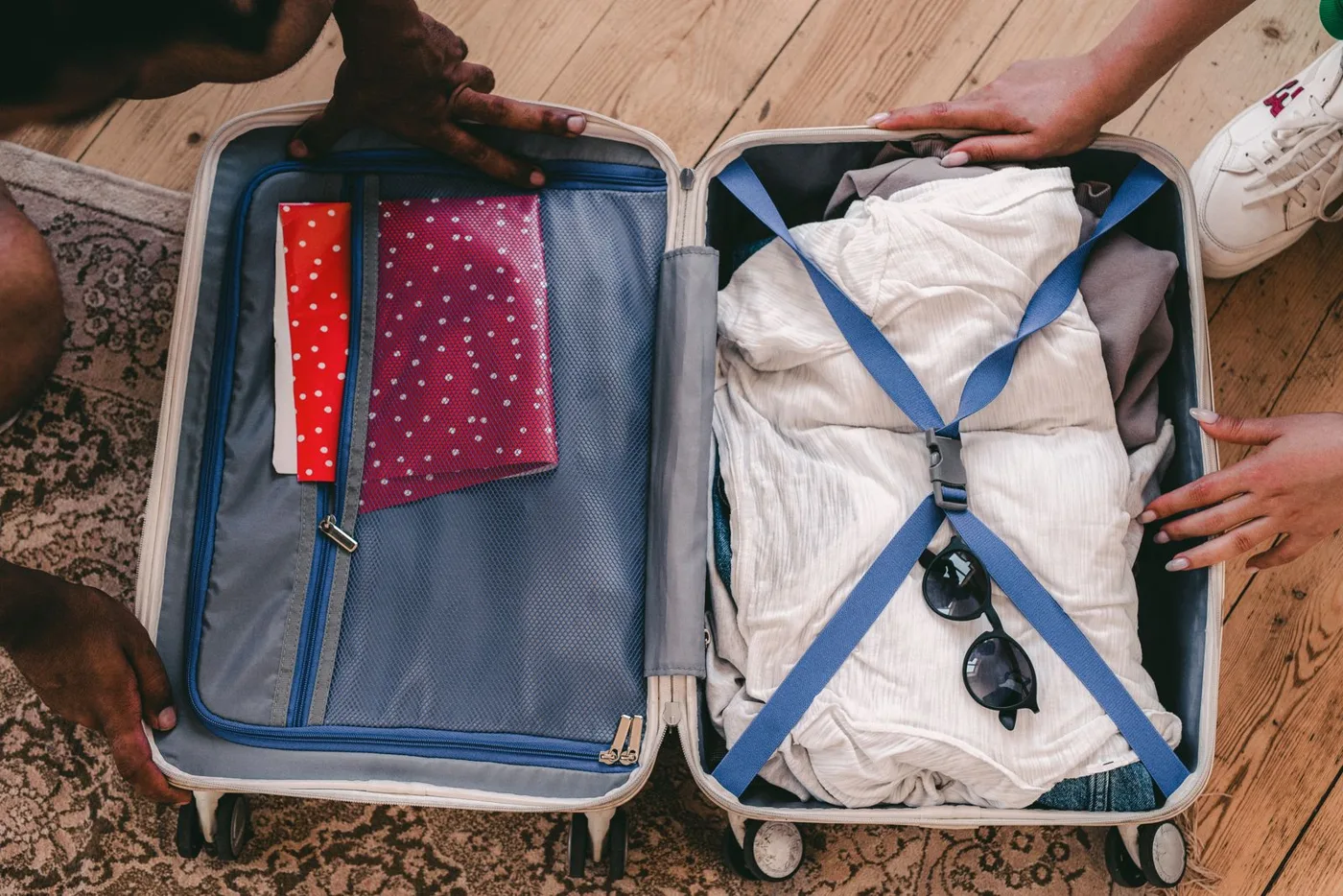
Traveling with cabin baggage can simplify an arrival, but it is not automatically the cheapest choice for every traveler. The right comparison depends on what you need to carry, the airline's current allowance and whether a shared checked bag would solve several people's packing needs. Choose the luggage plan before buying a fare that assumes you will pack differently.
Pack the trip on paper
List clothing for the actual activities, not an idealized minimalist weekend. Include footwear, weather layers, toiletries and any equipment essential to the holiday. A city break and a trip combining a wedding with hiking create very different packing problems. Consider whether laundry is realistically available and what it costs in time as well as money.
Measure the bag you own, including the parts the airline counts, and compare it with the current rules for the fare and operating carrier. A personal item and a larger overhead cabin bag may be separate allowances. Check each flight when carriers differ. Do not assume a familiar bag is accepted merely because it traveled successfully on another airline.
Price the whole luggage arrangement
Compare the fare with the baggage you require added to both directions. For companions, examine whether one shared checked bag plus individual permitted small bags makes more sense than buying a larger cabin allowance for everybody. Keep valuables and items needed during the journey in suitable carry-on storage, following the applicable security and airline restrictions.
A cabin-only plan can create purchases at the destination if you leave essential items behind. It may also be uncomfortable if you will carry the bag through several transfers. A checked-bag plan can add waiting time on arrival. These are different kinds of cost; give them space in the decision rather than trying to turn everything into a single price.
Leave some physical margin
Pack and weigh the bag before departure day. A bag filled to its limit leaves little room for a jacket removed at the airport or a purchase made during the trip. If you intend to bring souvenirs home, plan where they will fit instead of assuming the return allowance will somehow stretch.
Review restrictions for batteries, liquids, special equipment and other regulated items with the relevant authorities and airline. Rules depend on the item and route, so a generic packing article cannot replace that check. Once the plan is settled, save the baggage confirmation with the booking. Paying for the correct allowance deliberately is usually a better experience than discovering an avoidable mismatch at the airport.