Hotels & Stays
Checking Step-Free Room Access Beyond the Elevator Symbol
An elevator icon is a starting point, not a complete description of room access. Steps can appear before the lift, after it, or on the route to breakfast and other facilities. Ask about the whole journey from arrival to the spaces you need, using the traveler's own requirements rather than a broad accessible label.
Begin at the arrival point
Identify where a taxi, transfer vehicle, or public transport route leaves you. Ask how you reach the entrance from there, including distance, surface, gradients, and any steps. A hotel may have an alternative entrance that is more suitable, but you need to know where it is and when it can be used.
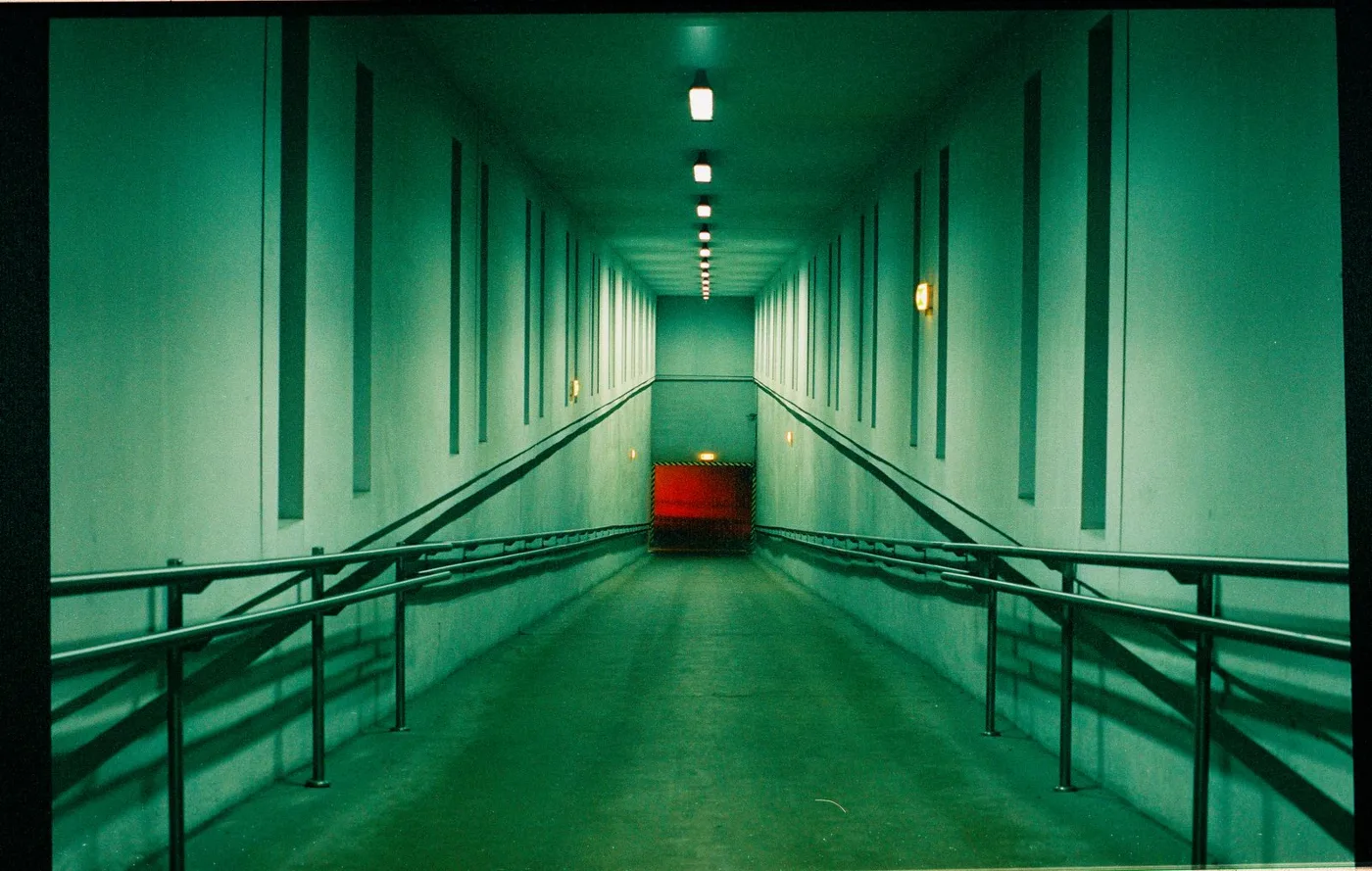
For a historic building, photographs of the front door can be particularly useful, though they do not replace a direct answer. If there is a ramp, ask about the details relevant to your equipment and whether assistance or advance notice is required. Avoid assuming that a ramp visible in one image covers the complete route.
Trace the path to the booked room
Ask whether the elevator reaches the actual room floor without additional steps. Confirm that the room category you are reserving follows the route described. A property may have several buildings or wings with different arrangements.
If using mobility equipment, request the measurements and clearances that matter to you, including doorways and elevator dimensions where necessary. Explain the equipment accurately so the property can answer the right question. A general statement that other wheelchair users have stayed is not enough to establish suitability for a particular traveler.
Check the room and bathroom separately
Step-free entry does not explain the space beside the bed, the bathroom threshold, the shower arrangement, or where essential fixtures are positioned. Ask for current photographs or a layout when those details affect the decision.
Be clear about which features are essential and which are preferences. This helps avoid a reassuring but vague reply. Do not accept a standard room on the assumption that staff can improvise changes after arrival. Any required equipment or arrangement should be confirmed before you rely on it.
Include the facilities you will use
Trace the route to breakfast, reception, dining, and any advertised pool or terrace that is important to the stay. A room can be reachable while a key shared facility is not. Ask about toilets and seating in shared areas if relevant.
For an apartment, investigate the building entrance and common areas as well as the unit itself. The host's control may not extend to every part of the route, which makes specific information especially important.
Keep the outside journey in the comparison
A suitable room can still be poorly placed if nearby streets or transport routes do not work for you. Check current operator accessibility information and the actual entrances at the stations you expect to use. Allow for an alternative when a lift or route is unavailable.
Do not choose a substantially more difficult daily location solely because the room costs less. Compare the likely transport needs and the activities within a manageable radius. An easier base can improve the whole stay, not just the arrival.
Confirm, record, and retain an alternative
Send a concise list of essential requirements with the exact dates and category. Keep the written answers and contact details with the booking. If possible, speak directly with someone who understands the property rather than relying only on a general booking-platform label.
No article or symbol can guarantee that a property meets an individual's access needs. The useful process is to obtain specific current information, compare it with those needs, and choose terms that give appropriate flexibility when essential details remain unresolved. Paying for a confirmed suitable arrangement is different from paying more merely because a listing uses the word accessible.