Hotels & Stays
Hanoi Accommodation When the Street Outside Matters
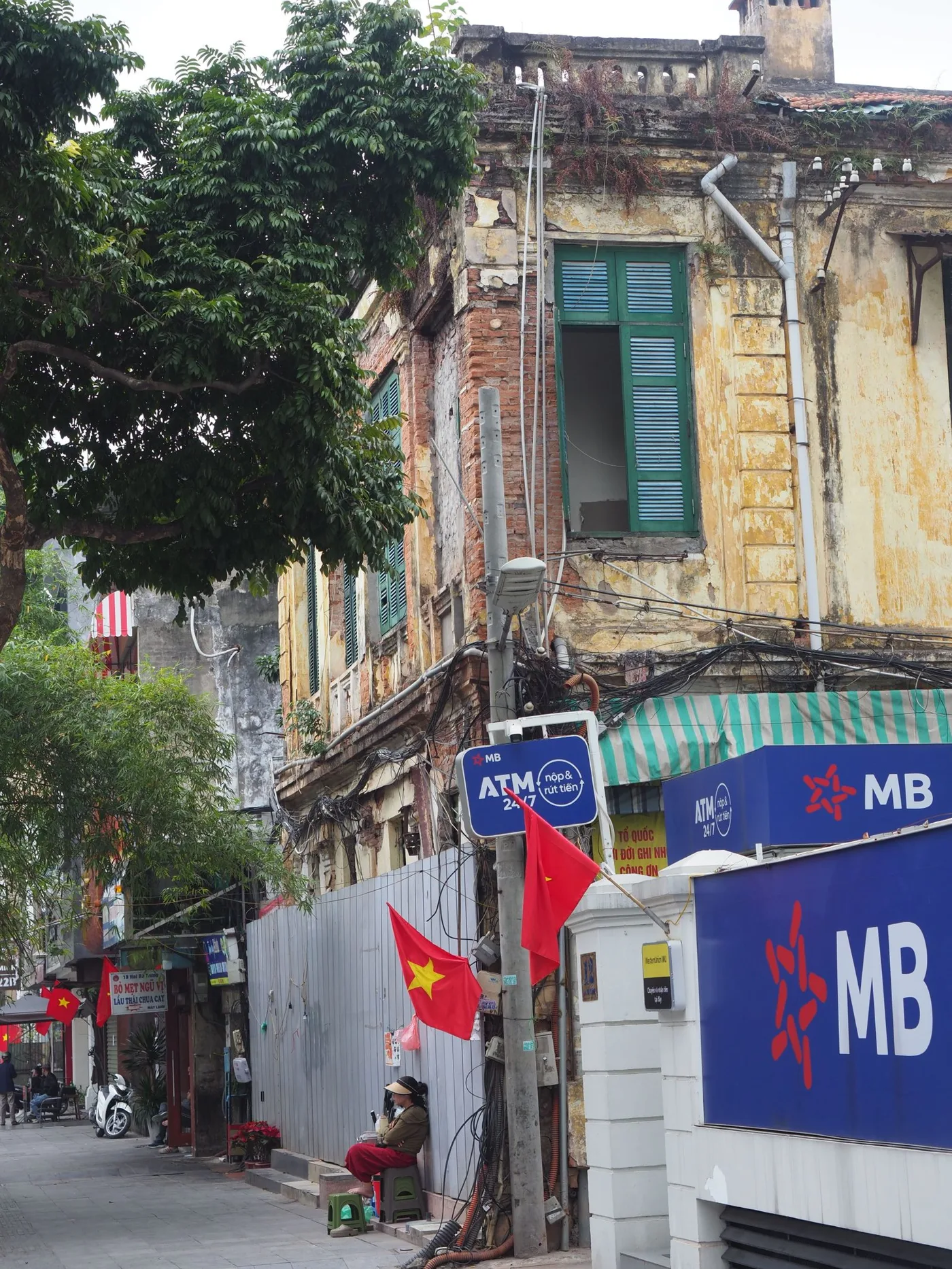
The street outside a Hanoi hotel is part of the stay. It affects the first arrival, the walk to breakfast and what you hear while trying to sleep. Before choosing a room, decide whether you want to step directly into busy old streets or return to a different setting after exploring them.
Old Quarter convenience comes at the street level
Vietnam Tourism describes the Old Quarter north of Hoan Kiem Lake as a concentrated area of old trading streets, shops and food. Staying there can suit a visitor who wants to explore in short walks and return easily between outings. That convenience is strongest when the exact hotel entrance and surrounding streets work for your needs.
Do not infer the room's sound level from the overall neighborhood label. Ask whether it faces the street, an internal space or another building, and whether that orientation can be confirmed. A room farther from the frontage may be preferable for sleep, but check daylight and ventilation rather than assuming the quieter option has no tradeoff.
Look carefully at arrival instructions. Can your transfer reach the entrance, or is there a final walk from a meeting point? Ask about access for your arrival time and travel dates. A clear pickup or drop-off arrangement is more useful than a promise that the hotel is conveniently located.
A different base changes the rhythm of the visit
The official tourism board's walking guide distinguishes the more spacious streets and colonial-era buildings south of the Old Quarter, around Hoan Kiem and the French Quarter. This provides a useful alternative to investigate if you want a different street setting while remaining connected to central visits.
West Lake is another option to consider when the lake itself and slower local time are part of the plan. Its appeal should not be reduced to a promise of quiet: inspect the particular road and room, and calculate the journeys to the Old Quarter or other booked activities. A lake-view photograph does not make the whole area walkably close to every sightseeing stop.
For a short first visit focused on old streets and food, frequent cross-city transfers may use a disproportionate share of the day. For a longer stay with regular downtime, a different base can be worthwhile. Choose according to how often you will make each journey, not how many neighborhoods appear on a recommendation list.
Ask about the room you will receive
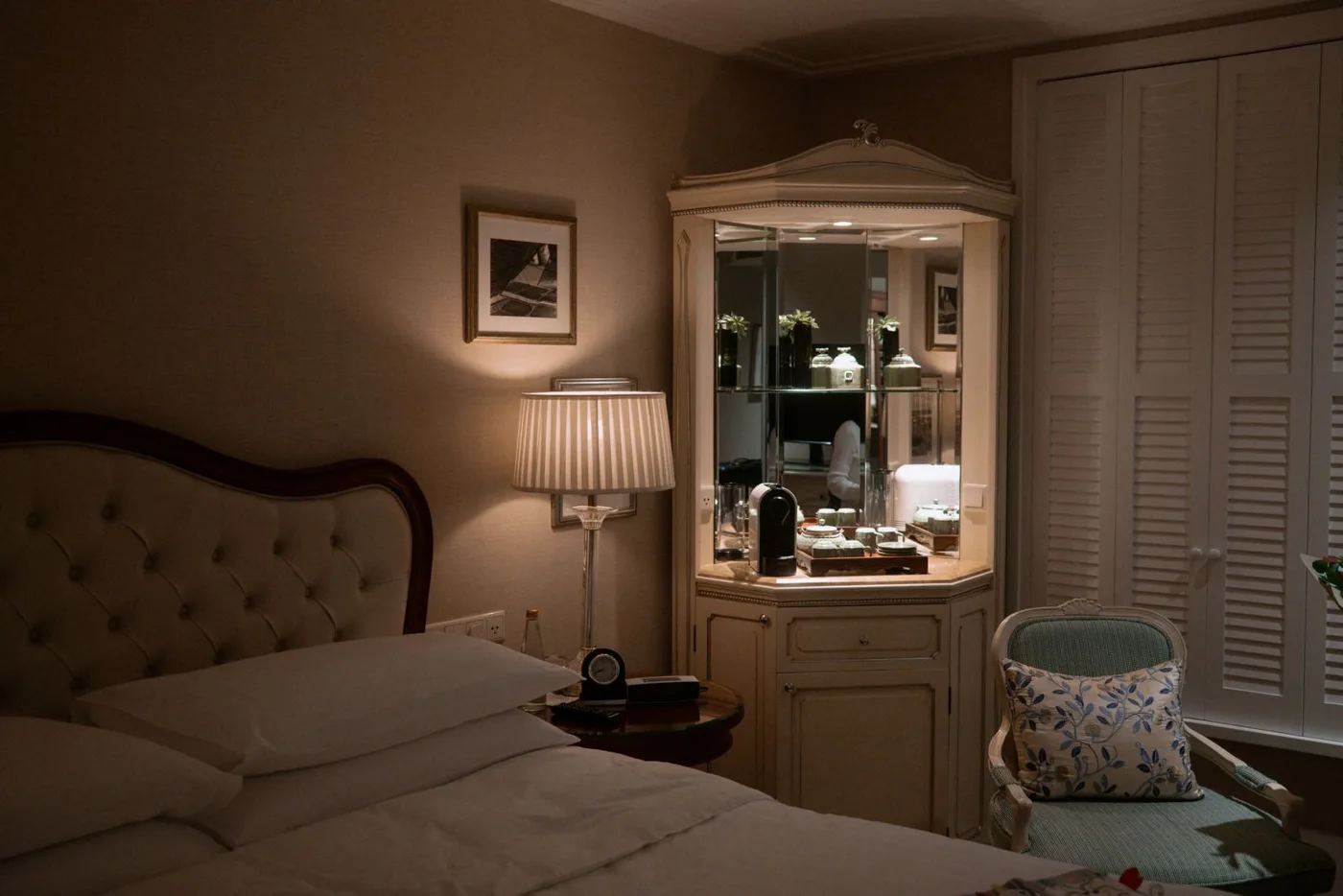
Confirm that the booked room has the window, bed arrangement and bathroom shown in the relevant category. Check cooling and the elevator route, including any steps beyond the lift. If a balcony appears in the photographs, establish whether it is private and included rather than part of another room or a common area.
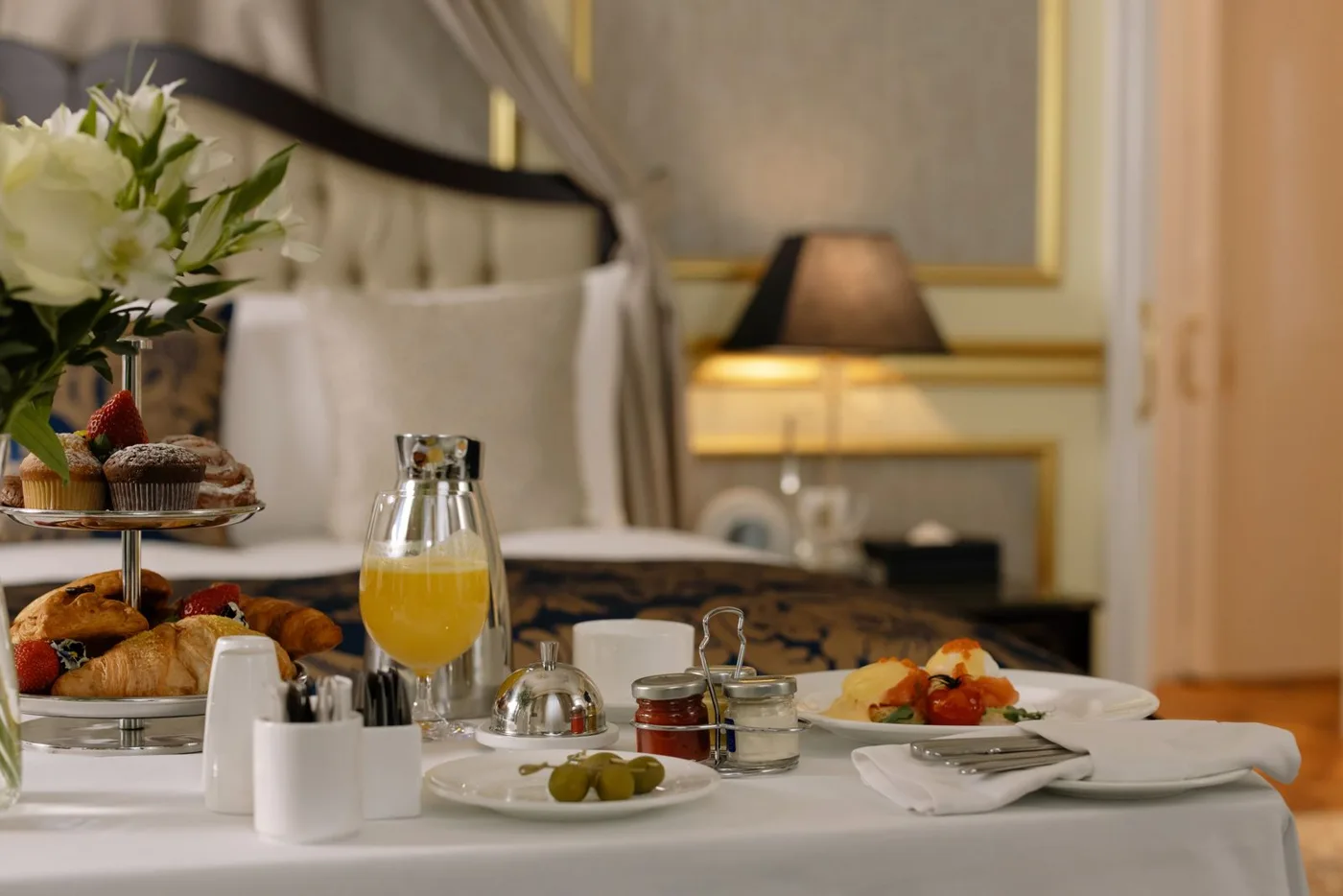
Breakfast is useful only if its timing fits the trip. If an excursion or onward journey starts early, ask what is possible instead of assuming the included meal will be available. Check luggage storage for the final day and whether you can access the property easily when returning to collect bags.
Before payment, compare the complete room total and the transport pattern each address creates. A comfortable hotel need not be on the most photographed street. The best Hanoi base is one whose entrance, room and everyday surroundings make the visit easier, while leaving you free to explore the busier parts of the city on your own terms.