Budget Destinations
Italy Without a New Hotel Every Other Night
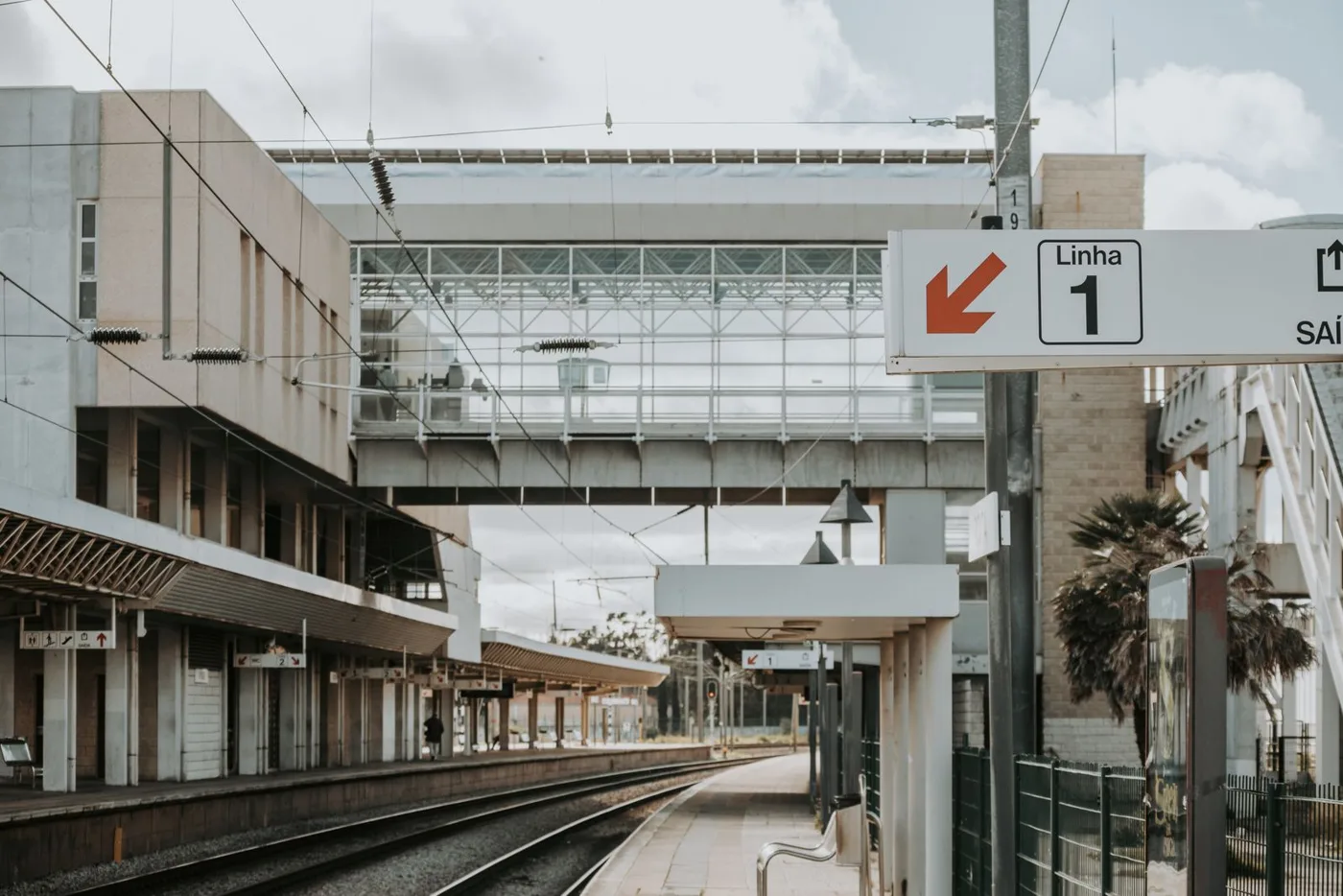
Italy's rail connections make a multi-city vacation possible, but they do not remove the work of changing hotels. Every move brings packing, station access, luggage storage and a new check-in. Choosing two substantial bases can preserve the pleasure of visiting different places while leaving more of the budget for food, art and ordinary time in the streets.
Choose bases that can support more than one kind of day
Florence can support an art-focused stay with selected outings, while Bologna offers a different food and urban setting. Rome may deserve its own longer block rather than becoming a one-night stop between northern cities and Naples. Italy's official tourism material highlights the high-speed network, but speed should be used to simplify the route, not justify adding a destination every morning.
Start with the places you most want to experience after the day visitors leave. Those are candidates for overnight bases. A smaller destination that interests you for one particular site may work as an excursion, provided the return journey is reasonable. The distinction should come from your interests rather than from a formula that every city receives two nights.
Three costs hidden by a cheap room
First, check the total accommodation price, including mandatory charges and any cleaning fee. Second, add the journey between station and lodging, both on arrival and departure. Third, consider the cost of the time between checkout and the next room becoming available. Luggage storage or an inconvenient gap can make a short stay less economical than it first appears.
Older buildings can have stairs and limited space, so ask about the actual room access. A hotel described as close to the center may still be awkward with heavy bags. A slightly more convenient address can be worth paying for when it removes several short rides or makes a final morning usable.
Keep day trips selective
A day trip should add something different, not reproduce the previous day's churches, squares and shopping at the cost of two more tickets. Choose one or two outings from a base and leave the rest for the city itself. If a museum or monument requires a timed reservation, confirm it before purchasing a restrictive transport fare.
Compare trains on the actual date and read fare conditions. A faster service may be worth the premium for a long move, while a regional option may suit a shorter excursion. Do not assume the same ticket or pass covers every operator and service. Check the current rules for the product you buy rather than following a general instruction from an unrelated route.
Most importantly, keep a day with no station in it. A neighborhood breakfast, a substantial visit and an unbooked evening can make a longer stay feel richer than another brief city introduction. Fewer hotel moves are not a rule against variety; they are a way of making the variety you choose easier to enjoy.