Budget Destinations
Japan with Fewer Long-Distance Journeys and More Neighborhood Time
Japan's trains make ambitious routes tempting. They also make it easy to spend a large part of the holiday budget moving between places before you have explored the one you are in. A more restrained route can include major cities and regional variety while leaving money for meals, cultural visits and a comfortable base.
Choose the route before the pass
Japan National Tourism Organization notes that a nationwide rail pass can encourage travelers either to overfill the itinerary or to buy more coverage than they use. Its guidance also identifies regional alternatives. This is a useful order of decisions: choose the journeys, price them, and only then examine a pass.
A stay concentrated in Tokyo and nearby outings needs a different transport product from a trip with several long-distance legs. A Kansai-focused vacation around Kyoto, Osaka and selected neighboring destinations is different again. Do not add a distant city solely to make a pass appear worthwhile. The added accommodation and local transport still cost money, while the journey takes time from the places already chosen.
One base does not mean one neighborhood
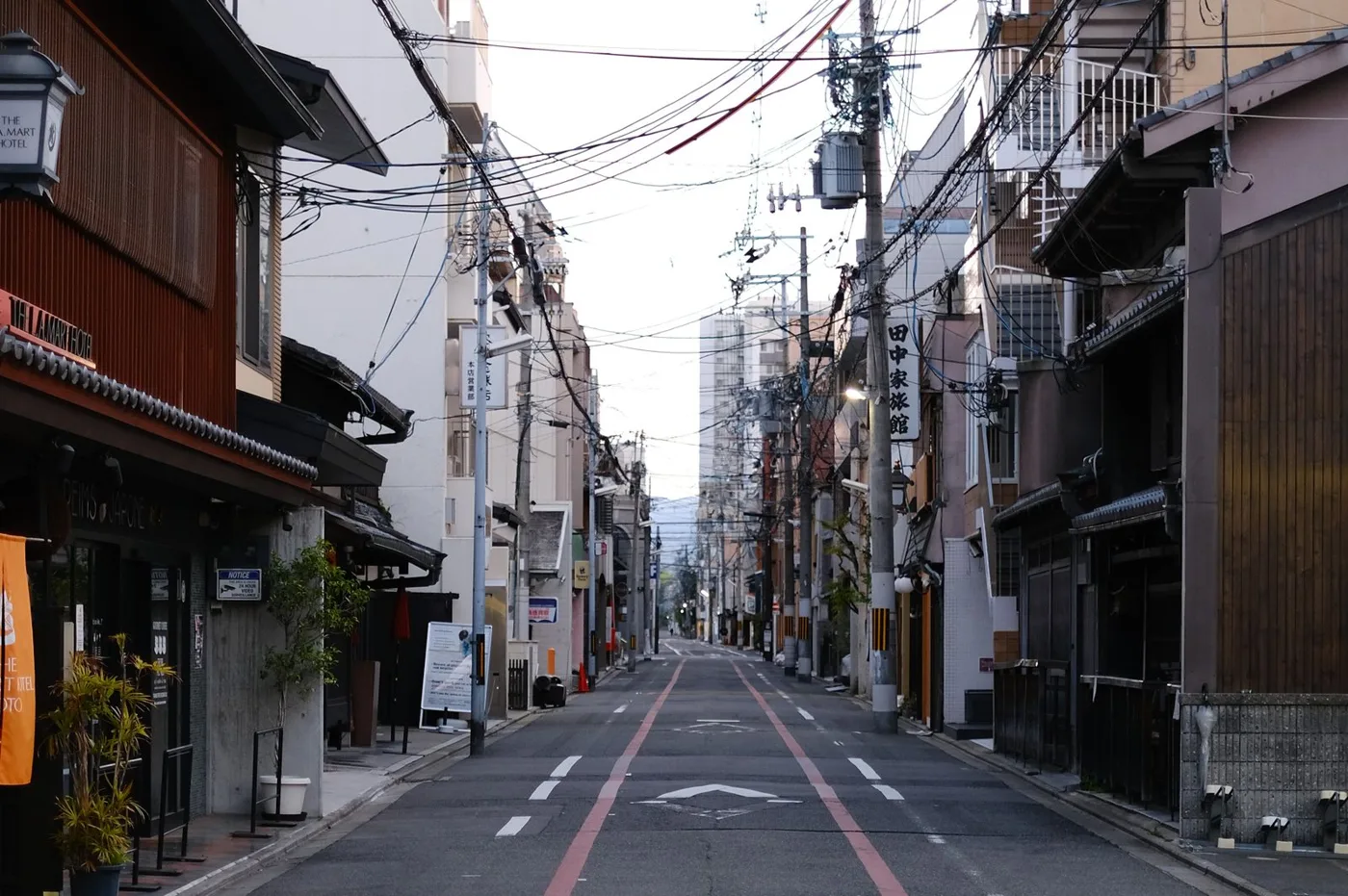
A city can offer different experiences without a hotel move. In Tokyo, group nearby neighborhoods into a day rather than crossing the city repeatedly for individual shops or restaurants. In Kyoto or Osaka, choose the base according to evening plans and the stations useful to your actual outings. The most famous station area is not automatically the best fit.
A room slightly farther from a landmark can still be convenient if the route is direct and comfortable. Conversely, a low-priced room beside an inconvenient interchange can add time every day. Check the walking approach, stairs or elevator availability where needed, and the last portion of the return after dinner.
Room size and laundry access deserve attention on a longer stay. Paying for a functional room and convenient laundry can reduce the pressure to carry excessive luggage. That may matter more than a decorative upgrade or a hotel change intended only to sample another district.
Let a day trip remain a day trip
Choose an excursion for a specific interest and verify the return journey. Avoid combining multiple distant stops simply because train travel is fast. A temple visit, a town walk or a museum can be enough when you leave time to enjoy lunch and the streets between sights.
For a reservation-based attraction, confirm the official booking arrangements before purchasing restrictive transport. Pass coverage does not necessarily remove the need for reservations or separate admissions. Read the current product rules rather than assuming all trains or local lines are included.
Use the saved travel day
Removing one long-distance move can create a whole day with no luggage logistics. Spend it revisiting an area, exploring a less familiar neighborhood or simply slowing the pace after several busy days. This is not a lesser version of a national tour; it is a different allocation of the same vacation time.
Before buying, compare individual tickets and any suitable regional pass using current official prices. Include airport journeys and local transport separately where necessary. The better-value Japan itinerary is the one that matches the places you want to spend time, not the one with the greatest theoretical mileage.