Family Travel
Keeping Meal Costs Predictable with Picky Eaters
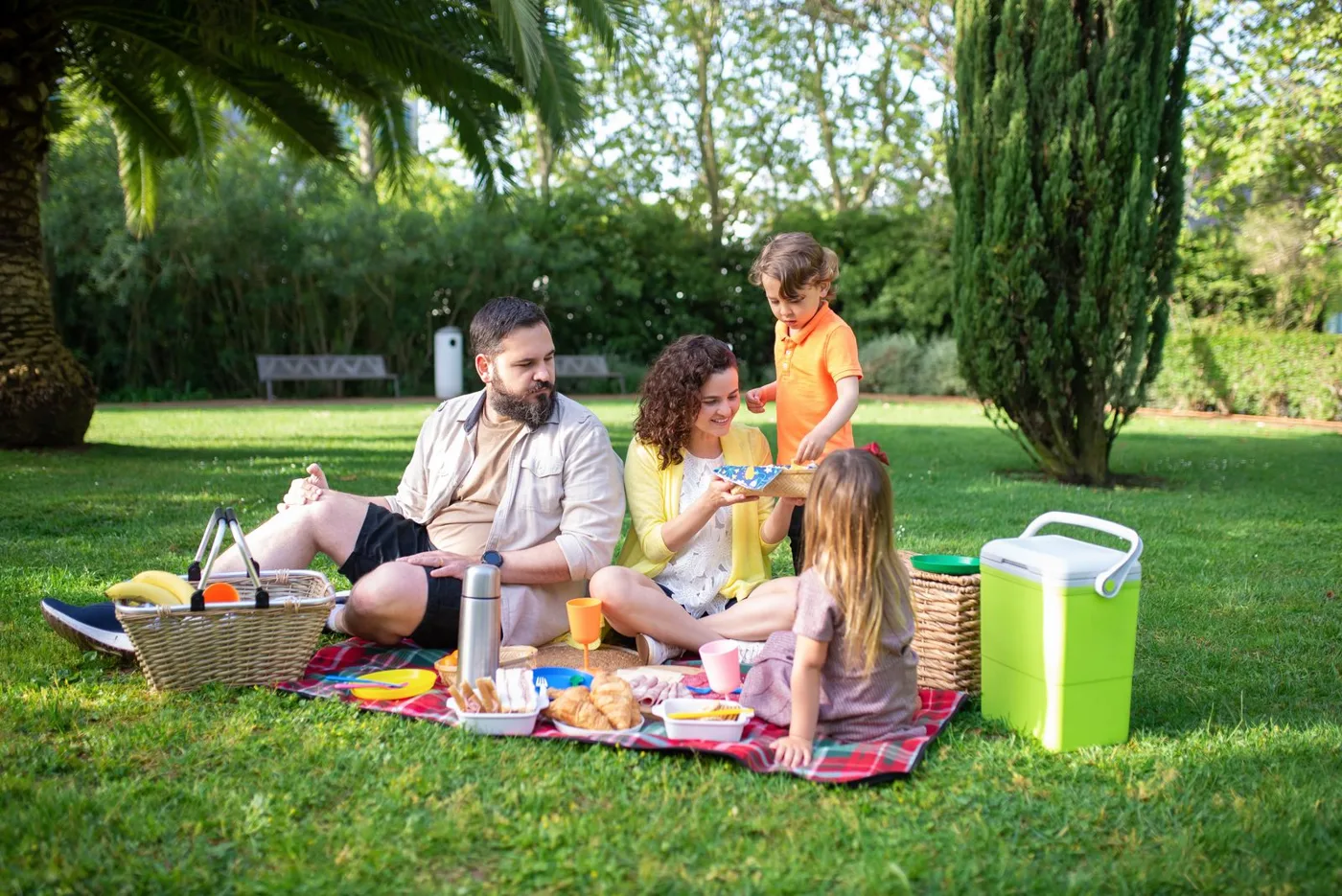
A family food budget becomes easier to manage when it allows familiar meals alongside new experiences. The goal is not to make every restaurant visit a test of adventurous eating. Plan enough dependable options that a hungry child does not turn each meal into an expensive search.
Find a reliable baseline
Before booking accommodation, look for a few nearby places with foods your family commonly eats. Check actual menus rather than assuming a destination or restaurant type will provide a suitable choice. Keep more than one option in case opening hours or availability change.
A small refrigerator or a simple breakfast setup may be more useful than a full kitchen. Decide what you need for the meals that happen most predictably, such as breakfast and an afternoon snack. Do not pay for extensive cooking facilities if you only intend to prepare toast or store a few groceries.
Make new food optional
Choose a small portion or a shared dish when trying something unfamiliar, where the restaurant's menu and policies allow it. Keep a familiar part of the meal available rather than making the entire evening depend on one new dish being accepted.
Avoid treating untouched food as a reason to order a succession of replacements. A little planning about portion sizes and likely preferences can reduce waste. Ask what a dish contains when the menu is unclear instead of assuming it matches a familiar name from home.
Budget for snacks deliberately
Small purchases between meals can be a substantial part of family spending. Carry suitable snacks where permitted and plan a grocery stop when convenient. Buying a few useful items is different from stocking the room with more food than the family will finish.
Check rules for bringing food into attractions and across borders. Do not pack a large supply without understanding the relevant restrictions. Keep essential dietary needs distinct from ordinary preferences and communicate those needs directly to providers.
Choose one relaxed restaurant meal
A sit-down meal is often easier when it is not the final task after a long sightseeing day. Consider an earlier lunch or dinner, with a menu you have already reviewed. A less rushed setting can give everyone more room to choose.
For allergies or medical dietary requirements, seek appropriate professional advice and confirm arrangements directly with the food provider. A review saying that another guest was accommodated is not a guarantee for your family. Avoid relying on generic translations alone for a critical dietary need.
Keep the holiday's food goals realistic
Adults can still enjoy local food without requiring every family member to order the same way. Sometimes one shared meal works; sometimes a simple child-friendly option followed by a more interesting adult choice is easier.
Measure success by meals that were enjoyable and manageable, not by how many unfamiliar dishes were eaten. A predictable baseline leaves space in the budget for a meal you genuinely want, while reducing the unplanned spending that comes from searching for food when everyone is already tired.