Travel Savings
Markets, Groceries and Picnics on a City Vacation
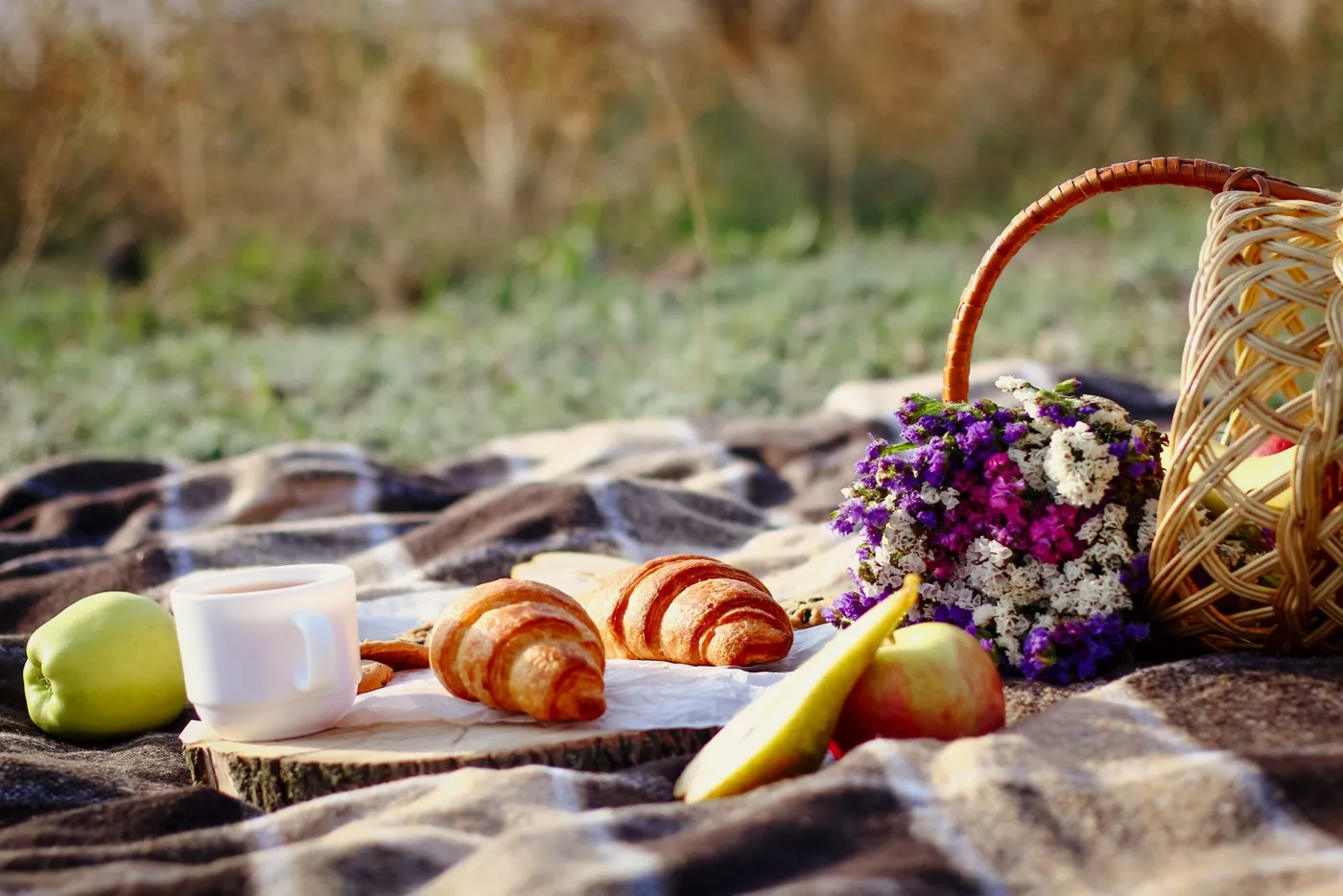
Buying food at a market can be part of the experience as well as a way to manage meal costs. It works best when you have a specific meal in mind and a suitable place to eat it. Without that plan, an appealing collection of ingredients can become an expensive bag of leftovers.
Shop for today's meal
Choose a small number of items you can use without much preparation. Check what utensils, refrigeration and storage your accommodation actually provides before buying more ambitious ingredients. A hotel room's beverage cooler should not automatically be treated as reliable food storage. Follow product instructions and local food-safety guidance for anything that needs temperature control.
Compare the total quantity with the number of people eating. Large packs can be poor value for a two-night stay, even when the unit price looks attractive. Buy enough for the planned meal and perhaps a simple breakfast, then reassess. Repeated small grocery trips are not necessarily efficient either, so use a short list that reflects the remaining nights.
Separate browsing from lunch
Some markets are mainly places to buy ingredients; others have prepared-food counters or dining areas. Check the current opening days and whether the stalls you want operate at the same times as the building. Arriving late because the surrounding neighborhood is still busy can leave you without the food you planned to buy.
Enjoy browsing, but identify the items that belong to the meal before adding treats or gifts. If you want to sample several prepared dishes, budget for that as an outing rather than assuming market food is always inexpensive. The setting and convenience may be worth paying for, but they are different from a basic grocery-saving strategy.
Find the picnic spot before the basket
Look for somewhere comfortable and permitted to eat, with shelter or shade appropriate to the weather. Check park rules, access and waste facilities. Do not plan to carry perishable food around sightseeing stops for hours. A short journey between purchase and eating is easier to manage than a picnic that depends on perfect timing across the city.
Bring only useful reusable items you already have, such as a suitable container or utensils, subject to travel restrictions. Buying a full picnic kit for one lunch can erase the intended saving. Clean up completely and keep food away from wildlife. If the weather turns, a simple meal back at the accommodation may be a better outcome than forcing an outdoor plan that has stopped being comfortable.