Family Travel
Packing for Children Without Paying for Unnecessary Bags

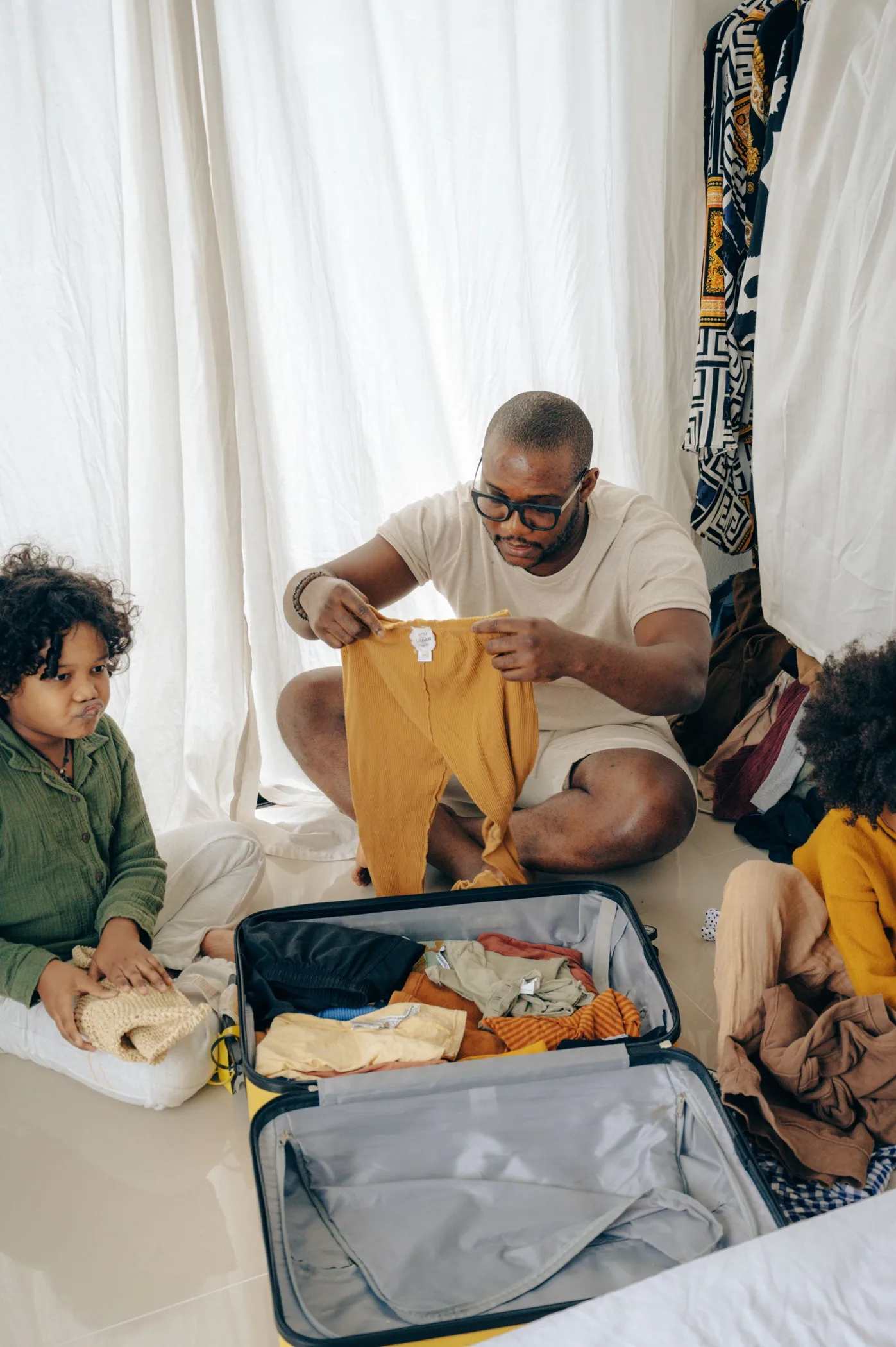
Reducing family baggage starts with a workable packing plan, not with forcing everything into the smallest possible allowance. The right amount of luggage depends on laundry, weather, the children's ages, and what the adults can carry while supervising them. A bag saved is only useful if it does not create avoidable purchases or a difficult journey.
Build from actual outfits
Lay out clothing by day type rather than adding an item for every imagined possibility. Include layers that work together and a reasonable supply of changes for younger children. Check the expected conditions, but avoid packing several complete wardrobes for unlikely scenarios.
If planning to wash clothes, confirm the facility and its cost. A shared machine, an in-room washer, and a nearby laundry service are different arrangements. Allow time for drying and do not base the whole plan on a service you have not verified.
Give the travel bag a separate job
Keep what you need during the journey accessible: documents, essential supplies, a change of clothes, and a small amount of entertainment. Distribute critical items sensibly so one inaccessible or delayed bag does not contain everything.
Check the airline's actual allowances for each traveler and fare. Do not assume a child receives the same baggage entitlement as an adult or that a stroller replaces or adds to an allowance. Equipment, cabin bags, and checked bags may have separate rules.
Compare one larger bag with several small ones
A shared suitcase can reduce the number of pieces to manage, but it must stay within the booked size and weight limits. Several smaller bags can make organization easier while becoming awkward on stairs or crowded transport. Choose according to the journey, not only the airline fee.
Practice carrying the planned luggage while imagining who is responsible for the children and stroller. If both adults need both hands for bags, the arrangement may need simplifying. A slightly higher baggage cost can be reasonable when it prevents an unmanageable transfer.
Avoid buying bulky solutions
Before purchasing travel equipment, ask what the accommodation provides and whether it can be reserved. Check suitability rather than accepting a generic promise. A compact familiar item may be more useful than a large product marketed for holidays.
Leave room for the return journey, including dirty clothing and any agreed purchases. Keep souvenir expectations clear before departure so a small baggage plan is not undone at the last shop. The goal is a load the family can manage comfortably, with enough essentials and fewer items that spend the holiday untouched.