Travel Savings
Paying Abroad: Check Fees and Currency Choices Before You Travel
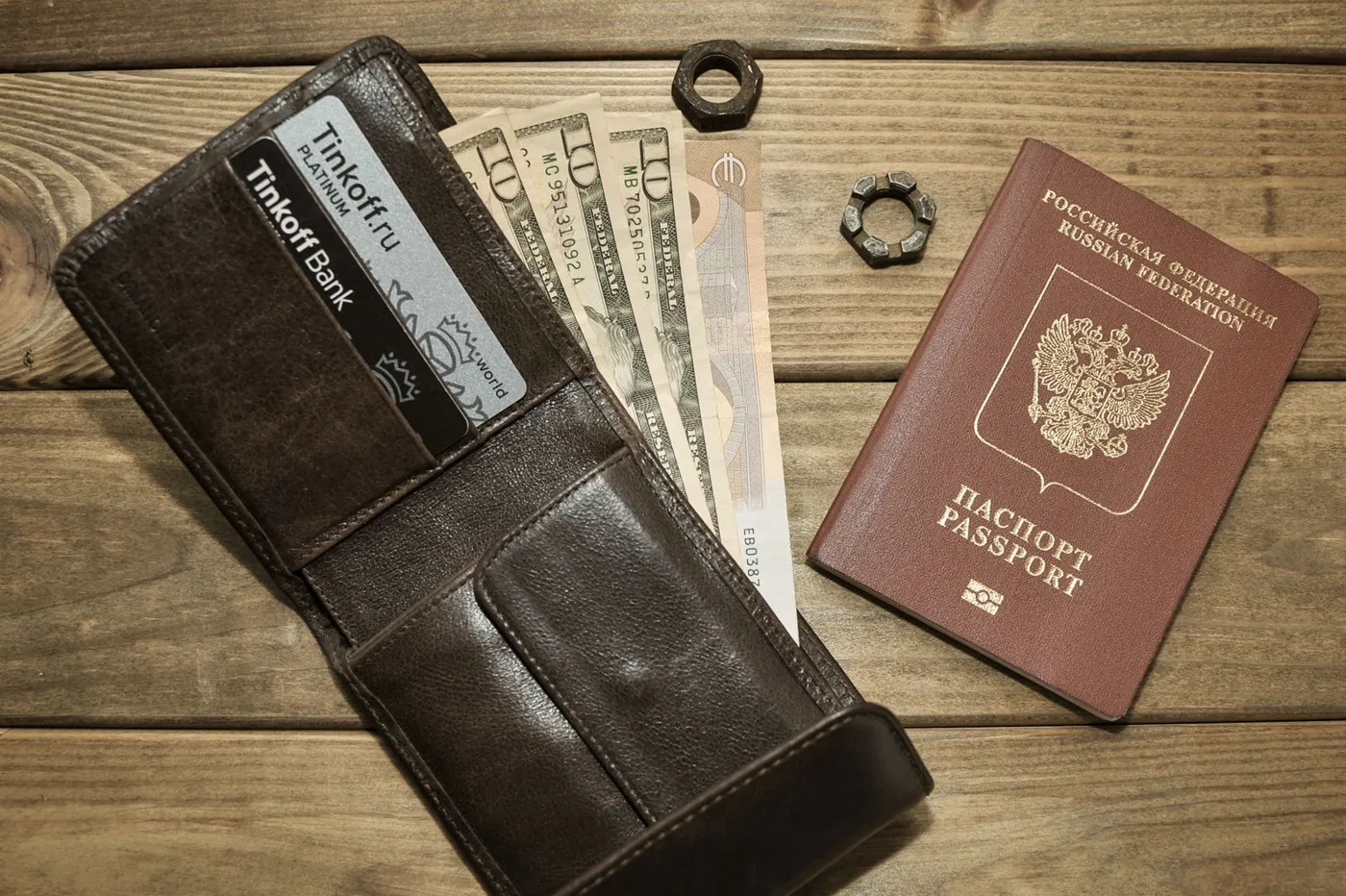
The price on the menu and the amount that eventually appears on your account are different parts of paying abroad. Before departure, understand your own card terms and learn to recognize a currency-conversion offer. This is general travel planning, not a recommendation to borrow or apply for a particular financial product.
Make a one-page payment plan
Check your issuer's current foreign-transaction charges and cash-withdrawal terms. Ask how a credit-card cash withdrawal would be treated rather than assuming it works like a normal purchase. An ATM operator can have its own charge as well. A familiar bank logo or a familiar currency on the screen does not answer all those questions.
Keep official support details accessible through a route you already trust. Decide what usable backup you would have if the primary card or phone were unavailable. For major bookings, check accepted payment methods directly with the provider. The purpose is to avoid discovering a basic payment mismatch while standing at reception after a long journey.
Read both numbers on a conversion screen
Dynamic currency conversion is a merchant or ATM offer to bill in your home currency. Visa explains that the offer should display the local and home-currency amounts, the exchange rate and any additional fees or markup, and that accepting or declining is your choice. Read the information rather than selecting the currency you recognize automatically.
For example, imagine a fictional €100 purchase and a terminal offering a charge of $112. Dividing 112 by 100 gives an implied rate of $1.12 per euro. That arithmetic identifies what is being offered; it does not prove that it is cheaper or more expensive than your card's conversion. You still need to understand the alternative rate arrangement and any issuer fees.
Choosing the local-currency charge generally leaves conversion to your card arrangements. It does not eliminate every possible account charge. If the terminal's offer is unclear or someone pressures you to accept it, Visa advises declining that conversion and reporting the issue to your issuer. Keep the receipt showing the currency actually charged.
Separate the withdrawal amount from the withdrawal cost
Estimate cash needs from specific plans: perhaps a small market purchase, a transport service or an accommodation payment that you have confirmed is cash-only. Do not withdraw a large amount merely because you have not checked what you will need. Equally, carrying too little can force an inconvenient extra withdrawal later.
Before confirming an ATM transaction, read its displayed fee and any currency-conversion offer. Those are different components, and your issuer may add separate charges under your account terms. There is no universal withdrawal size that is cheapest for every traveler. Balance the costs you have verified against the amount of cash you are comfortable carrying and likely to use.
Keep enough evidence to resolve a mismatch
For accommodation and other substantial purchases, retain the receipt, currency and final amount. Review transactions through your normal secure banking channels. If an amount or currency looks wrong, contact the issuer through its official support route; do not send card details to an unfamiliar message offering help.
Near the end of the holiday, count remaining local cash before withdrawing again. After returning, distinguish settled charges from pending items and check any expected refunds separately. The useful habit is not obsessively checking every exchange movement. It is knowing which party is converting the payment, what charges may apply and what evidence you have if the transaction differs from the choice you made.