Seasonal Escapes
Planning a Garden-Focused Spring Vacation Around Variable Blooms
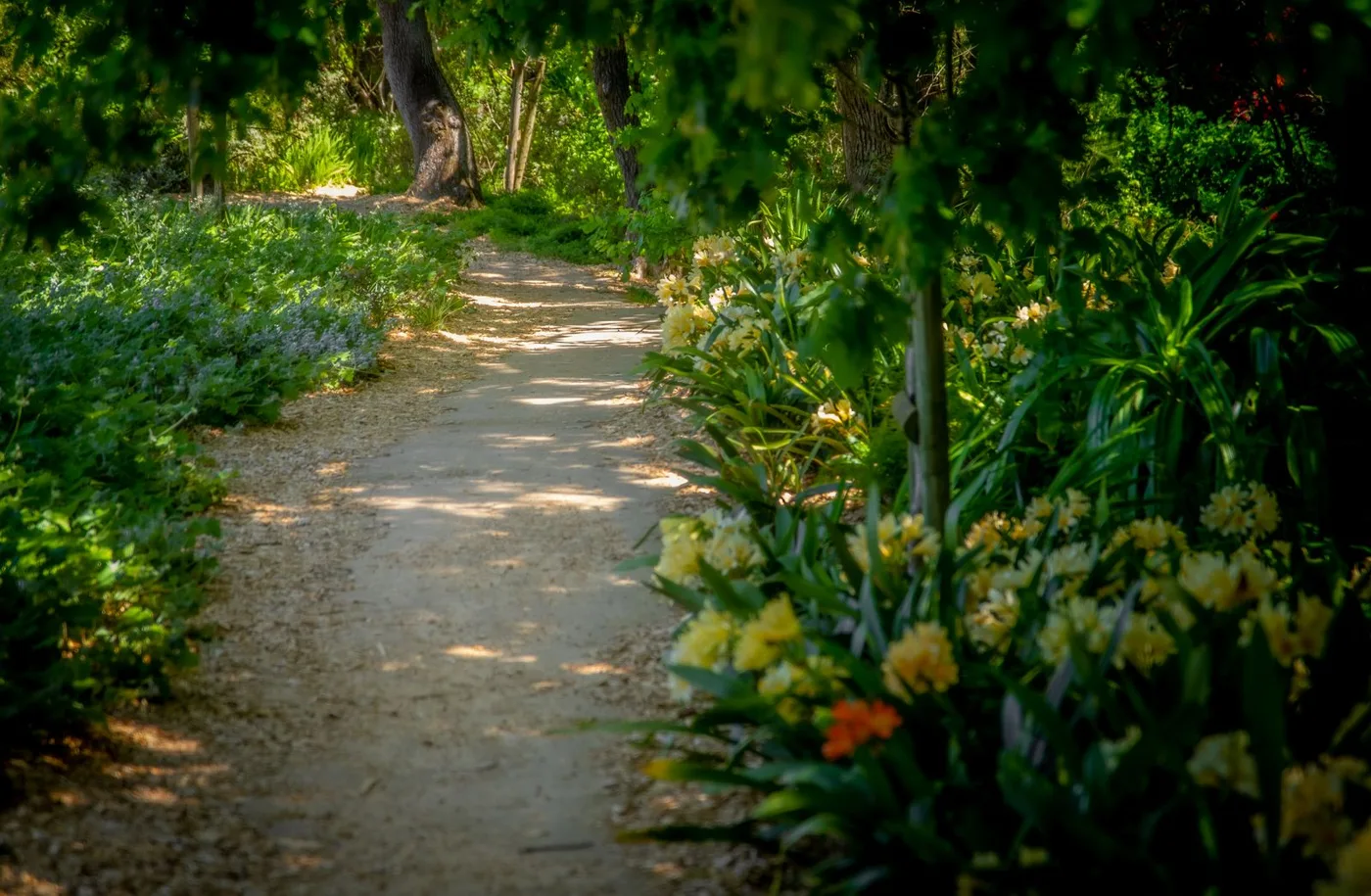
A garden trip becomes fragile when every reservation depends on one flower reaching its peak on one particular day. Spring displays are a reason to travel, but they are not a timetable that can be guaranteed months ahead. Build the vacation around gardens with several kinds of interest, then use current reports to decide how to spend your days.
Choose gardens, not a single photograph
Look for a mix of planting and design: woodland, formal areas, collections, water, mature trees or glasshouses where available. A garden with several distinct sections gives you more to enjoy if the display that attracted you is early, late or already past its best. Read what the site offers beyond the seasonal promotional image.
RHS guidance for a spring trail at Rosemoor notes that prevailing weather affects flowering and that listed plants may not be at their prime during every visit. Treat this as a useful planning principle wherever you travel. A published flowering window is context, while a recent update from the garden is a better guide to what visitors are currently seeing.
Keep the order changeable
Pick a regional base that puts several gardens within a reasonable journey, rather than moving hotels to chase a different display each day. Confirm transport and opening days for each candidate. The nearest garden on a map may not be the simplest to reach without a car.
If admission arrangements permit, leave some choice about which garden to visit on which day. A dry morning might suit an exposed landscape, while another site may have indoor collections or shelter useful in less favorable weather. Check those facilities rather than assuming every garden has a conservatory or covered café.
Do not reserve more gardens than you can enjoy attentively. Two substantial visits with time to notice planting, rest and explore the surroundings may be more satisfying than four hurried stops. Include the travel time and the walk from the entrance when estimating how much of the day a visit will take.
Budget for access as well as admission
Compare tickets with the cost of reaching the site, parking if applicable and meals. A remote garden with a low admission price may still be the more expensive day. Bring appropriate food where permitted, and check picnic rules instead of assuming that all outdoor space is available for eating.
Look at paths, gradients, seating and accessible routes for everyone in your group. Ask the garden about current conditions when mobility or a stroller changes what is manageable. A site map can help plan a shorter route, but it should not be treated as confirmation that every surface is suitable in every kind of weather.
Leave something besides flowers in the week
Add a nearby town, gallery or other interest that you would enjoy independently. This is particularly useful when companions have different levels of enthusiasm for plants. A shared morning in a garden followed by separate afternoon options can make the trip work without asking everyone to follow the same specialist itinerary.
Take photographs and notes for your own enjoyment, while staying on permitted paths and respecting restrictions. The trip can succeed even when the exact blossom scene you imagined does not appear. Returning with an understanding of several gardens is a more durable reward than arriving only to reproduce one seasonal image.