Hotels & Stays
Reading a Hotel's Room Categories Before Booking the Cheapest One
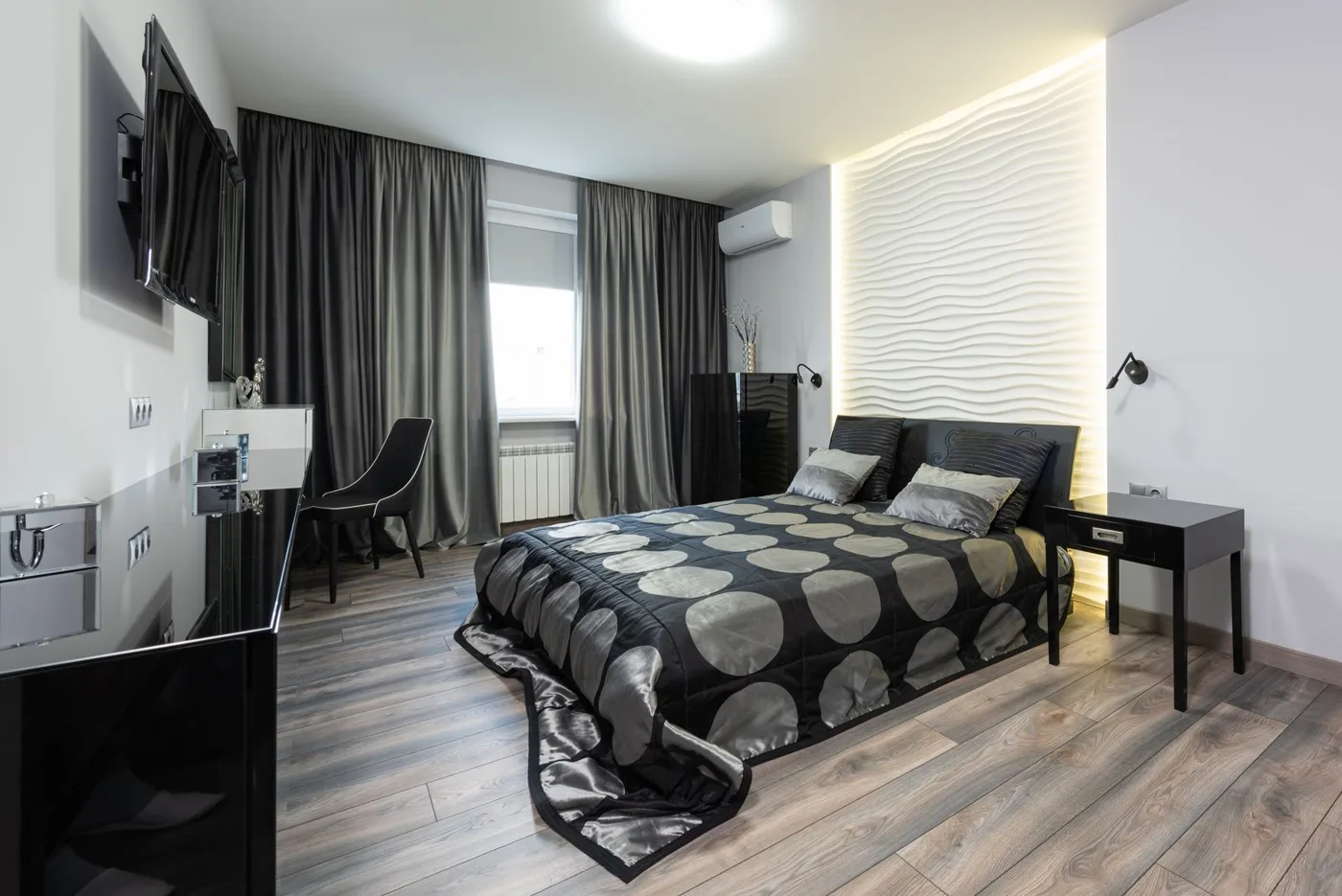
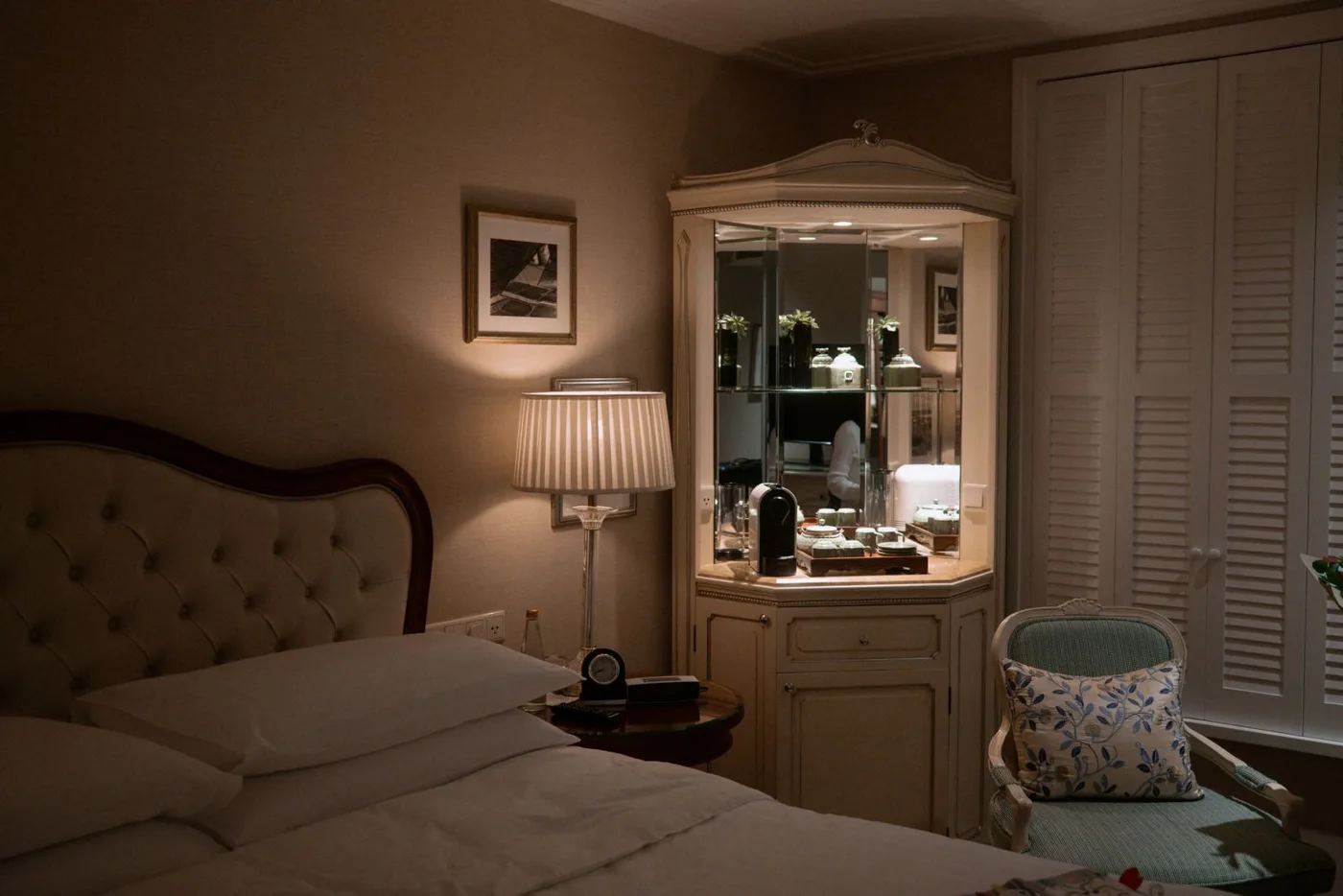
The lowest room price at a hotel may describe a substantially different stay from the room featured at the top of its website. Size, bed arrangement, outlook, access, and cancellation terms can all vary. Read the category as a specific product rather than assuming every room shares the property's best features.
Match photographs to the category
Look for images explicitly attached to the room you can reserve. A gallery may mix suites, renovated rooms, and older categories. If the room's layout matters, ask for a floor plan or a clear description instead of inferring it from a wide-angle photograph.
Check whether the quoted size includes a balcony or another space that does not improve the sleeping area. The number alone does not tell you whether bags can open comfortably or whether the desk and seating remain usable once an extra bed is added.
Read the bed arrangement literally
A double room, twin room, and room with a requested bed preference may not offer the same certainty. If a particular arrangement is essential, establish whether it is confirmed in the booking. A request field does not necessarily create a guarantee.
For families, check the extra bed or sofa bed and the space it occupies. For friends sharing, confirm that the layout provides the privacy and separate sleeping surfaces expected. Maximum occupancy is not the same as a comfortable arrangement for your party.
Look at the less photogenic details
A lower category may face an internal courtyard, sit near a service area, or have a different window arrangement. Those features are not automatically problems, but they may affect a light sleeper or someone who expects to spend time in the room.
Ask about stairs, elevator access, and the route from reception if mobility or luggage handling matters. Do not assume a higher floor is reached without steps simply because the hotel lists an elevator.
Compare the complete offer
Two rates for the same named category can have different meal plans, payment timing, and cancellation conditions. Separate the room difference from the rate-condition difference. Otherwise, you may think you are paying for a better room when you are actually paying mainly for flexibility.
Calculate an upgrade over all nights. Compare it with a concrete benefit you would notice daily, such as separate beds, quietness, or enough usable space. A decorative difference may be less valuable than a simpler room that meets those needs.
Ask one focused question before paying
If the listing leaves an essential detail unresolved, send a short question naming the exact category and dates. Keep the answer with the reservation. An ambiguous reply is a reason to compare another option, not to assume the most favorable interpretation.
Booking the cheapest suitable room can be a sensible saving. Booking the cheapest room and hoping it resembles the hotel's showcase suite is a different strategy, with a much less predictable result.