Budget Destinations
Romania by Rail with Time Between the Main Stops
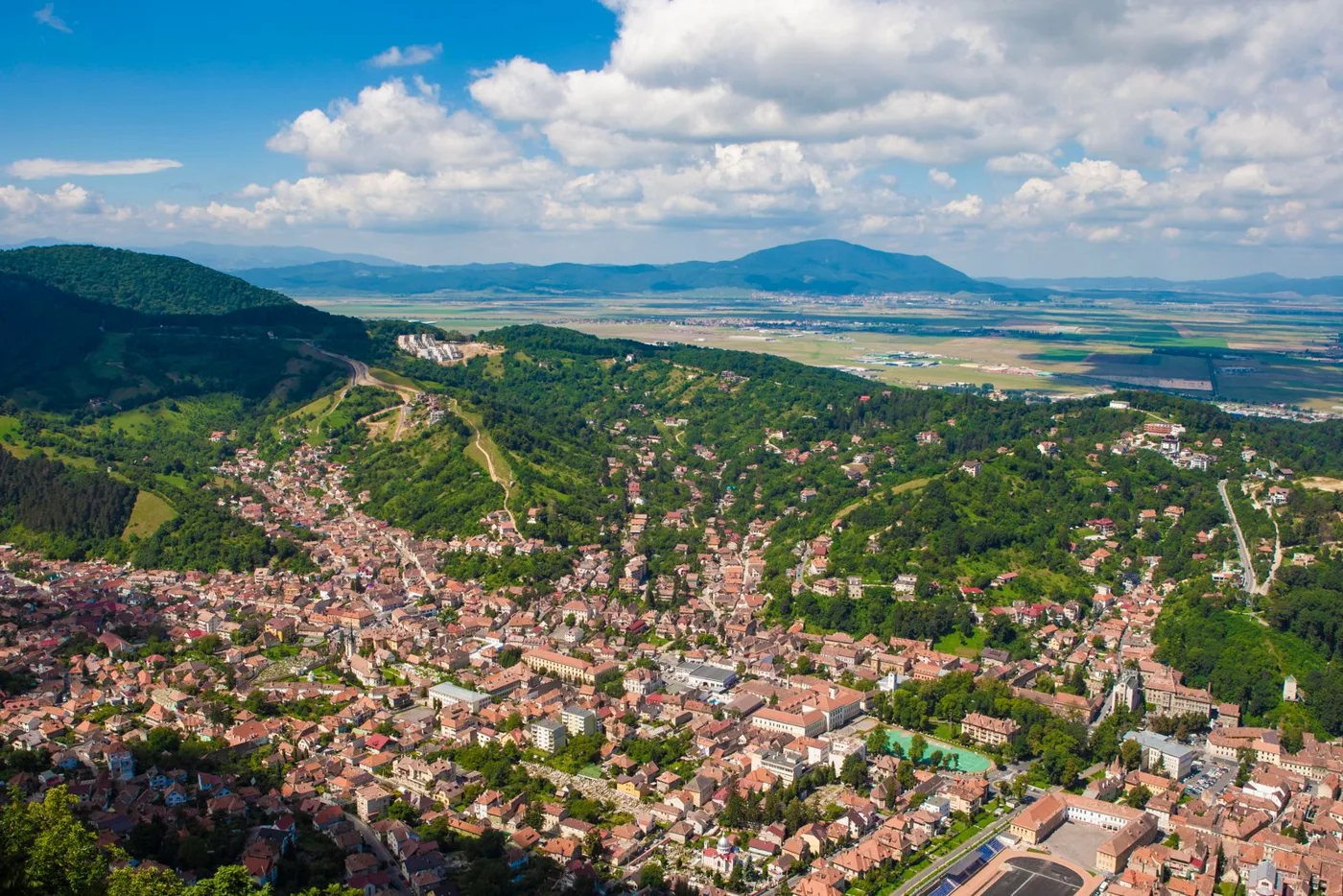
A rail itinerary in Romania works best when you distinguish a route on the network from a route that fits comfortably into your vacation. Bucharest, Brașov, Sibiu and Sighișoara are appealing names, but adding all of them is not a requirement. Choose the stops that justify several nights, then examine the train journeys in their actual order.
Build the route from the timetable outward
CFR Călători's journey planner is the place to check available trains, connections and stations. Start with a simple Bucharest–Brașov proposal, then investigate the onward options you would need for Sibiu or Sighișoara. Do not assume the shortest line on a map produces the quickest rail journey. A connection that works in one direction or on one date may not be the best choice for another.
Record departure, arrival, any change of train and the last local journey to the accommodation. Then add a buffer for finding the platform and buying food before boarding. This turns the transfer into a realistic block of time. If the journey would consume most of a one-night stop, either lengthen that stay or remove it.
An attractive fare does not by itself justify a very early departure. Check whether the saving is larger than an extra taxi, a missed included breakfast or the loss of a relaxed evening before travel. For a short vacation, comfortable timing may be the more valuable part of the ticket.
Two nights and three nights feel different
Two nights usually provide one uninterrupted day. Three nights provide two, allowing a city visit and a selected excursion without arriving and departing around the same activity. In Brașov, this can mean time for the historic center before deciding whether an outing beyond the city fits your interests. It avoids treating the town merely as a sleeping point between trains and castles.
Sibiu and Sighișoara also deserve evaluation as places to spend time rather than as mandatory stops. Choose between them if the available nights are limited. A traveler interested in a compact historic setting may prefer one rhythm, while someone seeking a larger base with a broader range of meals and activities may prefer another. The route should follow that preference, not a desire to collect an equal number of nights everywhere.
A station is not always the historic center
Read the accommodation directions from the exact arrival station. A cheaper room near the rails may simplify luggage but place you away from the streets you want to explore; a room in the old center may require a local ride. Neither choice is wrong, but the total should include both arrival and departure journeys.
Ask about late reception, stairs and luggage storage, especially in older buildings. On a departure day, storage can make a later train genuinely useful rather than leaving you with bags for hours. Keep essential items with you and choose luggage you can manage when boarding. A rail holiday loses some of its ease when every platform change depends on finding help.
Use the remaining budget inside the towns
A smaller route leaves more room for a good meal, a museum or a guided visit that explains what you are seeing. These purchases can add more than another intercity ticket. Keep one indoor option in each base so a wet day does not trigger an unplanned long excursion.
Before booking nonrefundable rooms, verify the route and current service information with the rail operator. Recheck near travel and keep the final approach to your international departure conservative. Romania by rail is not about proving that every destination can be reached; it is about selecting a chain of stays that leaves enough of the holiday outside the train.