Budget Destinations
The Baltic States: One Country or a Three-Capital Circuit?
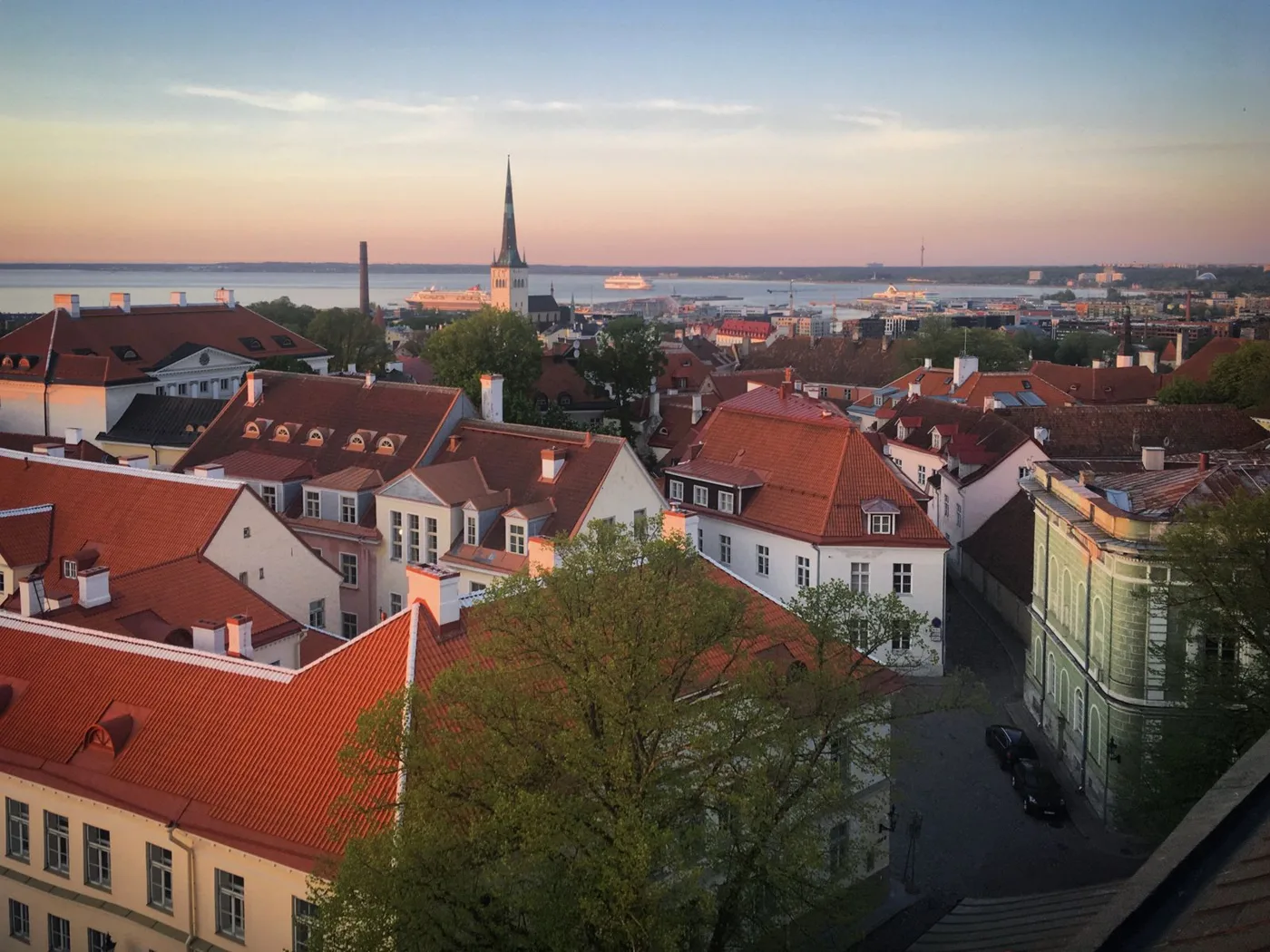
Tallinn, Riga and Vilnius make an appealing line on a map, but a three-capital circuit is not automatically the best-value Baltic vacation. It trades depth for variety and adds two intercity moves. Before booking, compare it with a single-country trip that combines a capital with one smaller destination or an outdoor stay.
What the three-capital route does well
A circuit offers three distinct urban experiences without needing to invent a common theme. Tallinn's old town and surrounding districts, Riga's architecture and markets, and Vilnius's historic streets provide enough contrast to justify separate stays. Each country's official tourism portal is a useful starting point for deciding what interests you beyond a quick central walk.
The route works best when flights allow a sensible arrival at one end and departure at the other. Compare that arrangement with the cost of returning to the starting city. Include luggage, terminal access and any overnight stay needed before the return flight. A cheaper round-trip airfare can cease to be cheaper after the backtracking is added.
Give every capital at least one complete day that is not also a travel day, and preferably more if museums or neighborhoods are important. If the available nights do not allow that, remove a stop. There is little value in paying for three destinations while experiencing each mainly through check-in and checkout.
What staying in one country can add
A single-country trip leaves more room for places outside the capital and for changes in weather. Estonia, Latvia and Lithuania each offer more than their principal city. Instead of treating a national park, coast or smaller town as a rushed excursion between capitals, you can choose it as a second base with its own rhythm.
This version is not automatically less expensive. Rural accommodation may require more transport, and a car or guided excursion may become useful. Compare the complete route. A city-only circuit with convenient transport can sometimes be simpler than an ambitious rural itinerary. The point is to choose the experience first and expose its costs rather than assume one style must win.
Count the hidden hours between cities
For each intercity move, write down departure from the hotel, time at the terminal, the journey, arrival transport and when the next room is available. That is the actual travel block. Current rail and coach options should be checked for the exact dates; do not assume a service mentioned in an older route guide is still the right connection.
A midday arrival can still leave useful time if luggage storage is confirmed. An evening arrival may be perfectly acceptable if the following day is free, but less attractive before another early departure. Small differences in timing can matter more than a modest difference in fare.
A simple way to choose
Choose the circuit if the main interest is comparing cities and you have enough nights to settle briefly in each. Choose one country if you want a capital plus coast, countryside or a slower daily routine. Keep a weather-aware indoor option and avoid paying for a multi-attraction pass before selecting the actual visits. A successful Baltic trip is not measured by the number of borders crossed; it is measured by how much of the time belongs to the places rather than the journeys between them.