Seasonal Escapes
Traveling During a Destination's Rainy Season
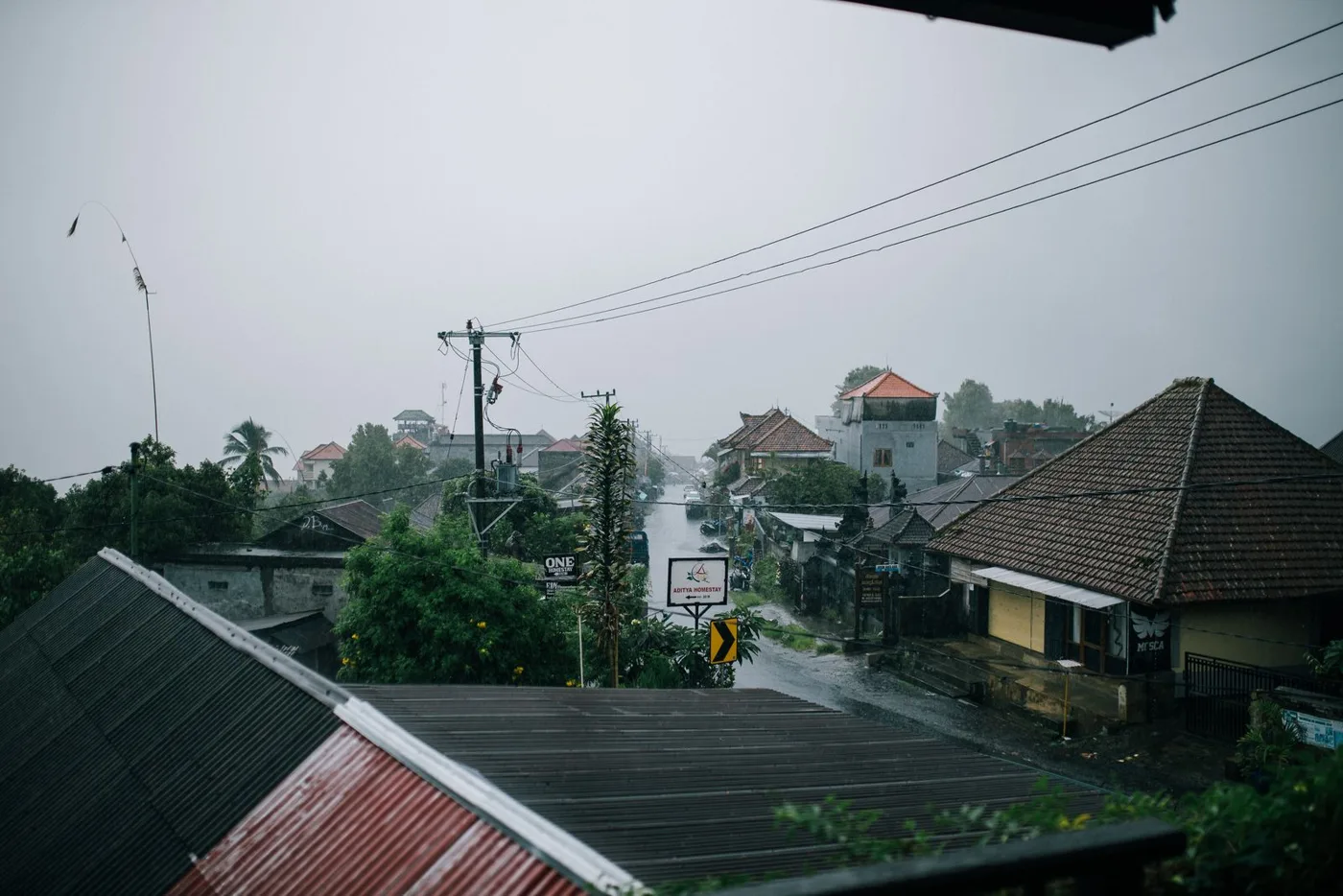
A rainy-season price should prompt research, not an automatic rejection or a confident promise that showers only last an hour. Wet seasons differ between regions and between parts of the same country. Decide whether the particular conditions and activities of your destination suit the trip you want, then leave enough flexibility for the weather you actually encounter.
Replace the label with local information
The Met Office explains that rainy season refers to the period receiving much of a region's annual precipitation, but its pattern is not identical everywhere. Monsoon rainfall and thunderstorm-driven wet seasons can behave differently. A general statement about a country is therefore a poor substitute for information about the coast, city or region where you will stay.
Read seasonal information from the destination's meteorological service and tourism authority, and consult official travel advisories relevant to your route. As departure approaches, switch from broad climate expectations to current forecasts, warnings and operator notices. Historical averages help choose a season; they cannot certify conditions for a particular excursion.
Choose accommodation that gives you options
A well-located room can make a wet day easier than a remote bargain. Look at nearby meals, shops and indoor activities, and check how you would reach them without relying on an exposed walk. If you expect to spend more time indoors, usable seating and space to dry ordinary clothing may matter more than a scenic balcony.
Ask about any access arrangement that is unclear, especially for a rural property or a stay reached by boat. Do not accept a generic claim that the destination is fine all year as an answer about your specific transfer. Follow local authority and operator instructions when weather affects routes or services.
Keep the vulnerable bookings flexible
Identify which experiences are essential and which can move between days. If the whole vacation depends on a single weather-sensitive activity, consider whether a different season would be a better use of your budget. A lower room rate offers little value when it undermines the main reason for visiting.
Read the operator's cancellation and rescheduling terms before paying. Distinguish a cancellation by the operator from a decision by you not to participate; the financial treatment may differ. Ask questions in writing and keep the response with the booking rather than assuming every weather problem will be refundable.
Avoid building a chain of prepaid connections immediately after an outdoor excursion. A free afternoon can absorb a changed departure or become an ordinary city day. That flexibility is easier to use when you have not committed the same hours to another nonrefundable booking.
Make a budget for adaptation
Include a modest allowance for local transport, an indoor visit or an extra meal near your accommodation. Pack for the destination's likely conditions and protect important documents and electronics from water. Carry only what you can manage comfortably when moving between places, rather than adding equipment for every possible scenario.
Choose this season if you would still enjoy the destination with a different pace and fewer outdoor commitments. If you need reliable beach time, multiple boat trips or a tightly scheduled landscape itinerary, investigate another period. The right decision depends on your priorities, not on proving that rainy-season travel is either always a bargain or always a mistake.