Family Travel
Traveling with a Stroller in a Historic City Center
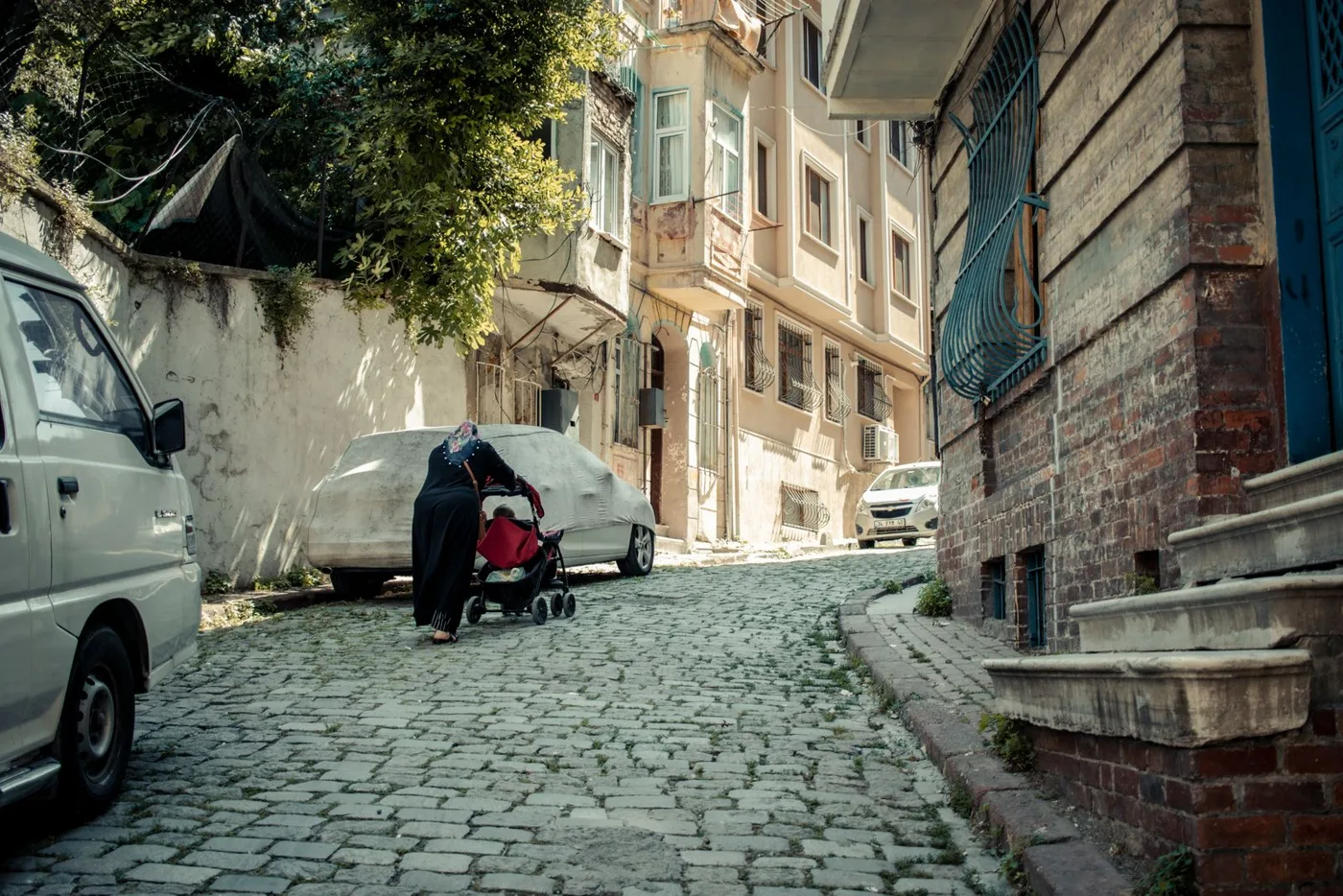
A stroller can make a family city break easier, but historic streets and older buildings require more specific planning than a map's walking time suggests. Check the route, entrances, and transport you will actually use. The right accommodation location can reduce repeated lifting, detours, and unnecessary journeys.
Inspect the route from the door
Look for steps, steep sections, uneven surfaces, narrow sidewalks, and difficult crossings between the room and everyday destinations. A property close to a square may still be reached by a staircase or a steep lane. Ask for the most suitable entrance rather than assuming the main map route is the best one.
Consider the return journey with a tired child and shopping or beach supplies. A pleasant downhill morning walk may become a demanding uphill return. Paying for a more manageable address can be more useful than paying for a larger room farther away.
Ask about the whole building
An elevator symbol does not establish step-free access from the street to the room. Check whether steps come before the elevator, whether it reaches your floor, and whether the stroller fits. Ask where it can be stored without blocking circulation.
For an apartment, clarify the entrance process and whether you must carry luggage and stroller through multiple doors or stairs. A self-check-in arrangement may be convenient, but it should not depend on managing several awkward tasks while supervising a child.
Use transport information precisely
Check the operator's current rules and accessibility information for the route you intend to take. Station access, vehicle design, and busy periods can affect the trip. Do not assume that every stop on the same line has identical access.
Choose fewer changes where practical and keep a backup route. A slightly longer direct journey may be easier than a shorter itinerary with several platform transfers. Allow enough time so a missed vehicle does not become a crisis.
Plan attraction storage
Read the venue's stroller rules before arriving. Some spaces may require folding or leaving the stroller in a designated area, and storage arrangements vary. If you need another way to carry the child, use equipment suitable for the child and your circumstances rather than improvising at the entrance.
Keep essential items in a small removable bag so they remain accessible when the stroller is parked. Avoid loading it with so much luggage that folding or lifting becomes impractical.
Choose a smaller sightseeing radius
Group activities within one area and let the city reveal itself gradually. There is no requirement to cross the center repeatedly to reach every famous landmark. A nearby park, a manageable museum, and an easy meal can make a complete day.
The strongest saving may come from fewer transport changes and a well-positioned room, not from choosing the cheapest accommodation. A stroller-friendly trip is built from specific routes that work, rather than from a general promise that a city is walkable.